

What Is Machine Safety? A Practical Guide for Modern Manufacturers
Learn what machine safety is, why it matters, key regulations, common hazards and best practices to protect workers, ensure compliance and improve productivity.

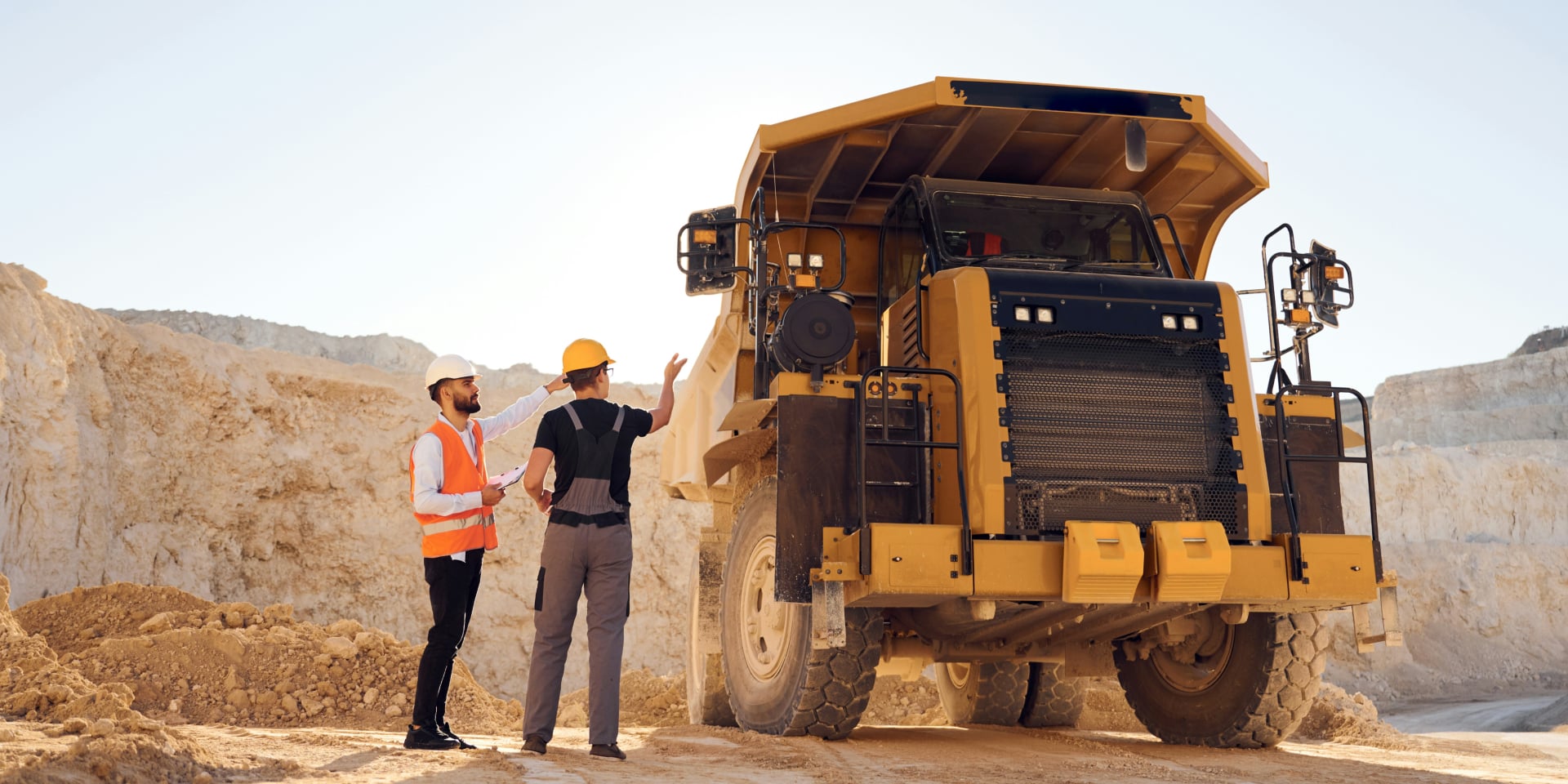
Modern manufacturing depends on machines to deliver efficiency, consistency and productivity. However, every machine also introduces potential risks. From moving parts and electrical systems to automated robotics, workplace machinery can cause serious injuries if hazards are not properly managed.
This is where machine safety becomes essential.
Machine safety is not simply about complying with legislation. It is about creating safer workplaces, reducing downtime, protecting productivity and fostering a culture where employees can perform their work with confidence.
In this blog, we'll explain what machine safety is, why it matters, the key principles organisations should follow, and how digital safety management can help businesses maintain compliance and continuously improve workplace safety.
What Is Machine Safety?
Machine safety refers to the measures, procedures and technologies used to eliminate or reduce risks associated with operating machinery.
Its primary objective is simple:
- Protect workers from injury
- Prevent damage to equipment
- Maintain operational continuity
- Ensure compliance with health and safety regulations
Effective machine safety considers the entire lifecycle of a machine - from design and installation to operation, maintenance, modification and eventual decommissioning.
Rather than reacting to accidents after they occur, machine safety focuses on identifying hazards before they lead to incidents.
Why Is Machine Safety Important?
Machine-related accidents can have severe consequences, including:
- Serious injuries or fatalities
- Production downtime
- Equipment damage
- Regulatory penalties
- Increased insurance costs
- Reputational damage
Beyond the financial impact, every workplace has a responsibility to provide employees with a safe working environment.
Investing in machine safety delivers benefits such as:
- Improved employee wellbeing
- Greater operational reliability
- Reduced unplanned maintenance
- Better compliance performance
- Higher productivity through fewer interruptions
Simply put, safe machines are reliable machines.
{{cta-03}}
Common Machine Hazards
Understanding potential hazards is the first step towards effective risk management.
Common machine hazards include:
Mechanical hazards
These include:
- Moving belts and chains
- Rotating shafts
- Gears
- Cutting blades
- Crushing points
- Entanglement risks
Electrical hazards
Examples include:
- Faulty wiring
- Damaged cables
- Poor isolation
- Electric shock
- Arc flash incidents
Thermal hazards
Hot surfaces, steam systems and heated components can cause burns if not adequately controlled.
Noise and vibration
Long-term exposure can contribute to hearing loss, fatigue and musculoskeletal disorders.
Ergonomic hazards
Poor workstation design or repetitive manual interaction with machinery may increase the risk of musculoskeletal injuries.
The Principles of Machine Safety
Effective machine safety combines engineering controls, safe systems of work and continuous improvement.
Carry Out Machine Risk Assessments
Risk assessments help organisations identify:
- Hazards
- Who may be affected
- The likelihood of harm
- Potential consequences
- Suitable control measures
Risk assessments should be reviewed whenever machinery is modified, relocated or involved in an incident.
Install Appropriate Machine Guarding
Machine guards remain one of the most effective safety measures.
Common types include:
- Fixed guards
- Interlocked guards
- Adjustable guards
- Self-adjusting guards
- Perimeter fencing around automated equipment
Guards should never be bypassed or removed during normal operation.
Use Safety Devices
Modern machinery often incorporates additional protective technologies, including:
- Emergency stop buttons
- Light curtains
- Safety interlock switches
- Pressure-sensitive mats
- Two-hand control systems
- Presence sensing devices
These controls help minimise the likelihood of serious injury if hazardous situations arise.
Develop Safe Working Procedures
Even the safest equipment requires clear operating procedures.
Procedures should cover:
- Normal operation
- Start-up and shutdown
- Cleaning
- Maintenance
- Lockout and tagout (LOTO)
- Emergency response
Clear documentation ensures consistency across shifts and locations.
Train Employees
Employees should understand:
- Machine hazards
- Safe operating procedures
- Emergency actions
- Reporting unsafe conditions
- Maintenance responsibilities
Regular refresher training is particularly important when equipment or processes change.
{{cta-04}}
The Role of Preventive Maintenance
Poorly maintained equipment often becomes unsafe equipment.
A structured maintenance programme should include:
- Routine inspections
- Preventive servicing
- Calibration
- Functional testing of safety devices
- Recording defects
- Corrective actions
Maintenance records also demonstrate compliance during inspections and audits.
Machine Safety and Risk Assessments
Machine safety cannot exist without effective risk management.
A structured assessment typically follows these steps:
- Identify hazards.
- Assess who may be harmed.
- Evaluate the level of risk.
- Implement suitable controls.
- Review effectiveness regularly.
Digital risk management systems make this process significantly easier by centralising assessments, corrective actions and supporting evidence.
Common Challenges Organisations Face
Many organisations understand the importance of machine safety but still encounter practical obstacles.
Common challenges include:
- Inconsistent inspections
- Paper-based maintenance records
- Delayed incident reporting
- Limited visibility across multiple sites
- Difficulty tracking corrective actions
- Poor communication between maintenance and safety teams
Without centralised information, small issues can develop into major operational risks.
{{cta-07}}
How Digital Safety Management Improves Machine Safety?
Digital safety platforms help organisations move from reactive safety management to proactive risk prevention.
A modern solution enables organisations to:
- Report machine-related hazards immediately
- Complete digital inspections
- Conduct machine risk assessments
- Schedule preventive maintenance
- Assign corrective actions
- Monitor recurring issues through dashboards
- Maintain complete audit trails
Instead of relying on spreadsheets and paper forms, organisations gain real-time visibility into machine safety performance across all locations.
For organisations looking to strengthen workplace safety, integrating incident reporting, risk assessments, inspections and corrective actions into a single platform can significantly improve efficiency.
Best Practices for Strong Machine Safety
Organisations with mature machine safety programmes typically:
- Conduct regular risk assessments
- Inspect machinery on a scheduled basis
- Encourage employees to report hazards
- Review incidents and near misses
- Track corrective actions through to completion
- Keep maintenance records up to date
- Continuously improve safety processes using operational data
Machine safety should be viewed as an ongoing process rather than a one-off compliance exercise.
{{cta-05}}
Machine Safety Is Everyone's Responsibility
While engineering controls and safety devices are essential, people remain at the centre of effective machine safety.
Operators, supervisors, maintenance teams and leadership all play a role in identifying hazards, reporting concerns and maintaining safe working practices.
A strong safety culture encourages everyone to contribute to safer operations before incidents occur.
Conclusion
Machine safety is about far more than preventing accidents. It is a strategic approach to protecting people, maintaining productivity and ensuring long-term operational resilience.
By combining robust risk assessments, preventive maintenance, employee involvement and digital safety management, organisations can reduce risk while improving efficiency and compliance.
As manufacturing environments become increasingly automated and connected, organisations that invest in proactive machine safety will be better positioned to protect their workforce, minimise disruption and build a stronger, more resilient operation.
Are you looking for a tool to monitor nonconformities or any other issues in your organisation? Falcony | HSEQ ticks all the boxes for machine safety management, is easy to customise, enables real dialogue and is a lot more:
{{cta-01}}
We are building the world's first operational involvement platform. Our mission is to make the process of finding, sharing, fixing and learning from issues and observations as easy as thinking about them and as rewarding as being remembered for them.
By doing this, we are making work more meaningful for all parties involved.
More information at falcony.io.
test cta injection
Button Text
Master Retail Security
Download guideUnlock Whistleblowing Excellence
Contact usSupercharge your tenant experience and involvement!
Download guideImprove your facility audit processes with best practices
Download guideUnlock Whistleblowing Excellence
Download guideSet up your incident reporting process like a boss!
Download guideElevate incident reporting
Download guideLearn more about Safety KPIs and their impact.
Learn moreLet us help you become ESG compliant
Get startedGet started today
Get startedImprove security management
Advance your organisation’s security maturity with an easy-to-use digital SEMS platform built for safer, smarter and more resilient operations.



