

Identifying Hazards - 15 Typical Unsafe Acts in Restaurants
Learn how to identify 15 common unsafe acts in restaurants and discover practical ways to reduce risks, improve safety and strengthen compliance.

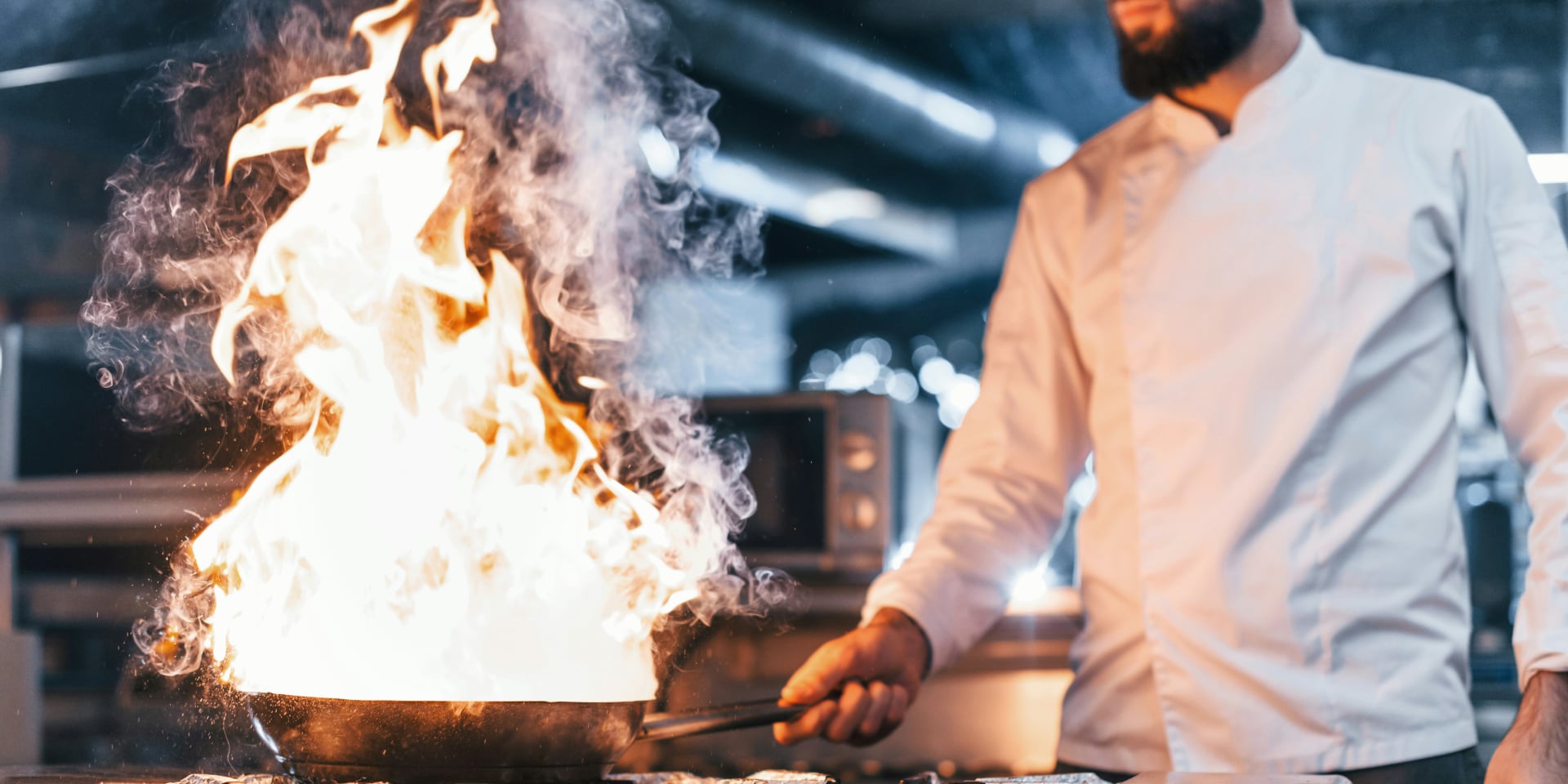
A busy restaurant is a fast-moving environment where staff constantly juggle customer service, food preparation, cleaning and teamwork. Under pressure, even experienced employees can develop shortcuts or overlook safe working practices. While these unsafe acts may seem insignificant in the moment, they can quickly lead to injuries, food contamination, equipment damage or costly compliance issues.
Creating a safe workplace isn't simply about having policies on paper. It requires organisations to identify unsafe behaviours early, encourage staff to report hazards and continuously improve working practices.
In this blog, we'll explore 15 typical unsafe acts in restaurants, explain why they matter and share practical ways to reduce workplace risks.
Why Unsafe Acts Matter?
Unsafe acts are actions performed by people that increase the likelihood of an accident, injury or other unwanted event.
In restaurants, these behaviours can result in:
- Slips, trips and falls
- Cuts and burns
- Food safety incidents
- Manual handling injuries
- Chemical exposure
- Equipment damage
- Lost productivity
- Regulatory penalties
- Poor customer experiences
Many incidents are entirely preventable when organisations encourage proactive hazard identification and consistent reporting.
Unsafe Acts vs Unsafe Conditions
It's important to distinguish between unsafe acts and unsafe conditions.
An unsafe act is something a person does that increases risk.
Examples include:
- Ignoring safety procedures
- Rushing tasks
- Using equipment incorrectly
An unsafe condition is a hazardous workplace environment.
Examples include:
- Wet floors
- Broken kitchen equipment
- Poor lighting
- Faulty electrical wiring
Effective safety management addresses both.
15 Typical Unsafe Acts in Restaurants
Not Cleaning Spills Immediately
A small spill can quickly become a major slip hazard.
Common examples include:
- Water
- Cooking oil
- Sauces
- Drinks
Immediate clean-up and appropriate warning signs significantly reduce accident risk.
Carrying Too Many Items at Once
Trying to save time by carrying excessive plates, trays or kitchen equipment can result in:
- Dropped items
- Muscle strain
- Trips and collisions
- Customer injuries
Safe handling techniques should always take priority over speed.
Incorrect Knife Handling
Knives remain one of the biggest injury risks in commercial kitchens.
Unsafe behaviours include:
- Leaving knives in sinks
- Carrying knives carelessly
- Using blunt knives
- Cutting towards the body
Regular training dramatically reduces these incidents.
{{cta-04}}
Ignoring Personal Protective Equipment
Some restaurant tasks require appropriate PPE, such as:
- Cut-resistant gloves
- Heat-resistant gloves
- Safety footwear
- Protective aprons
Choosing convenience over protection significantly increases injury risk.
Using Damaged Equipment
Employees sometimes continue using equipment despite obvious faults.
Examples include:
- Damaged power cables
- Loose handles
- Broken slicers
- Faulty fryers
Any defective equipment should be reported immediately and removed from service.
Bypassing Food Safety Procedures
Shortcuts during food preparation can compromise food safety.
Examples include:
- Skipping temperature checks
- Ignoring expiry dates
- Poor hand hygiene
- Cross-contamination
Food safety procedures exist for good reason.
Improper Manual Handling
Restaurant staff regularly lift:
- Food deliveries
- Beverage crates
- Kitchen equipment
- Waste containers
Poor lifting techniques contribute to back injuries and long-term musculoskeletal disorders.
Running in the Kitchen
Busy service periods often tempt staff to run.
However, running dramatically increases the chance of:
- Collisions
- Burns
- Slips
- Dropped hot food
- Customer injuries
Fast should never mean unsafe.
{{cta-03}}
Blocking Fire Exits
Boxes, deliveries or waste temporarily stored near emergency exits can delay evacuation during an emergency.
Fire exits must remain clear at all times.
Ignoring Cleaning Procedures
Cleaning isn't only about appearance.
Skipping cleaning tasks can lead to:
- Slip hazards
- Food contamination
- Pest problems
- Equipment failures
Consistent cleaning routines support both safety and compliance.
Improper Chemical Handling
Restaurants use numerous cleaning chemicals every day.
Unsafe acts include:
Proper chemical management protects both staff and customers.
Distracted Working
Mobile phones, conversations or multitasking at inappropriate times reduce concentration.
Distraction around:
- Hot surfaces
- Sharp knives
- Heavy equipment
These can quickly result in accidents.
Failing to Report Near Misses
Near misses provide valuable learning opportunities.
For example:
- Almost slipping on a wet floor
- Nearly dropping hot oil
- A faulty appliance narrowly avoiding failure
Reporting these incidents helps prevent future accidents.
{{cta-07}}
Ignoring Maintenance Issues
Small defects often become major hazards.
Staff should always report:
- Loose floor tiles
- Leaking pipes
- Broken shelving
- Faulty refrigeration
Early reporting reduces repair costs and improves safety.
Not Following Standard Operating Procedures
Standard Operating Procedures (SOPs) exist to create consistency.
Ignoring them may lead to:
- Safety incidents
- Poor food quality
- Regulatory non-compliance
- Operational inefficiencies
Well-designed SOPs only deliver value when consistently followed.
Why Unsafe Acts Often Go Unreported?
Many unsafe behaviours remain invisible because organisations rely on informal communication.
Common barriers include:
- Fear of blame
- Lack of reporting tools
- Time pressure
- "We've always done it this way"
- Belief that small issues don't matter
Developing a positive reporting culture encourages employees to speak up before incidents occur.
How Digital Safety Reporting Improves Restaurant Safety?
Paper forms, spreadsheets and verbal reporting often result in delayed responses and incomplete records.
Modern digital safety management platforms help restaurants:
- Report hazards instantly using mobile devices
- Capture photos and supporting evidence
- Assign corrective actions automatically
- Monitor recurring hazards
- Analyse trends across multiple locations
- Demonstrate compliance during inspections
- Improve communication between teams
By digitising hazard reporting and corrective actions, organisations can move from reactive incident management to proactive risk prevention.
Digital platforms provide a central platform for managing hazards, incidents, inspections, audits and corrective actions, helping restaurant operators build a stronger safety culture while maintaining compliance.
Building a Stronger Safety Culture
Reducing unsafe acts isn't about catching people making mistakes - it's about creating an environment where safe behaviour becomes the norm.
Successful restaurants typically:
- Encourage hazard reporting
- Conduct regular workplace inspections
- Review near misses
- Provide ongoing training
- Make safety everyone's responsibility
- Continuously improve procedures based on real-world observations
When employees feel empowered to identify risks, organisations become safer, more efficient and more resilient.
Conclusion
Unsafe acts are one of the leading causes of workplace incidents in restaurants, but they are also among the most preventable.
By recognising common unsafe behaviours, encouraging open reporting and using digital tools to manage hazards and corrective actions, restaurants can reduce accidents, improve compliance and create safer workplaces for both employees and customers.
If you're looking to strengthen your restaurant's health and safety processes, explore Falcony | HSEQ to see how digital hazard reporting, inspections and incident management can support a safer and more proactive operation. If you are interested, click the button below and fill in the required information to get started or contact us to learn more.
{{cta-01}}
We are building the world's first operational involvement platform. Our mission is to make the process of finding, sharing, fixing and learning from issues and observations as easy as thinking about them and as rewarding as being remembered for them.
By doing this, we are making work more meaningful for all parties involved.
More information at falcony.io.
test cta injection
Button Text
Master Retail Security
Download guideUnlock Whistleblowing Excellence
Contact usSupercharge your tenant experience and involvement!
Download guideImprove your facility audit processes with best practices
Download guideUnlock Whistleblowing Excellence
Download guideSet up your incident reporting process like a boss!
Download guideElevate incident reporting
Download guideLearn more about Safety KPIs and their impact.
Learn moreLet us help you become ESG compliant
Get startedGet started today
Get startedImprove security management
Advance your organisation’s security maturity with an easy-to-use digital SEMS platform built for safer, smarter and more resilient operations.



