

15 Most Common Safety Risks in Construction
Discover the 15 most common safety risks in construction and learn practical ways to reduce hazards, improve compliance and protect your workforce.

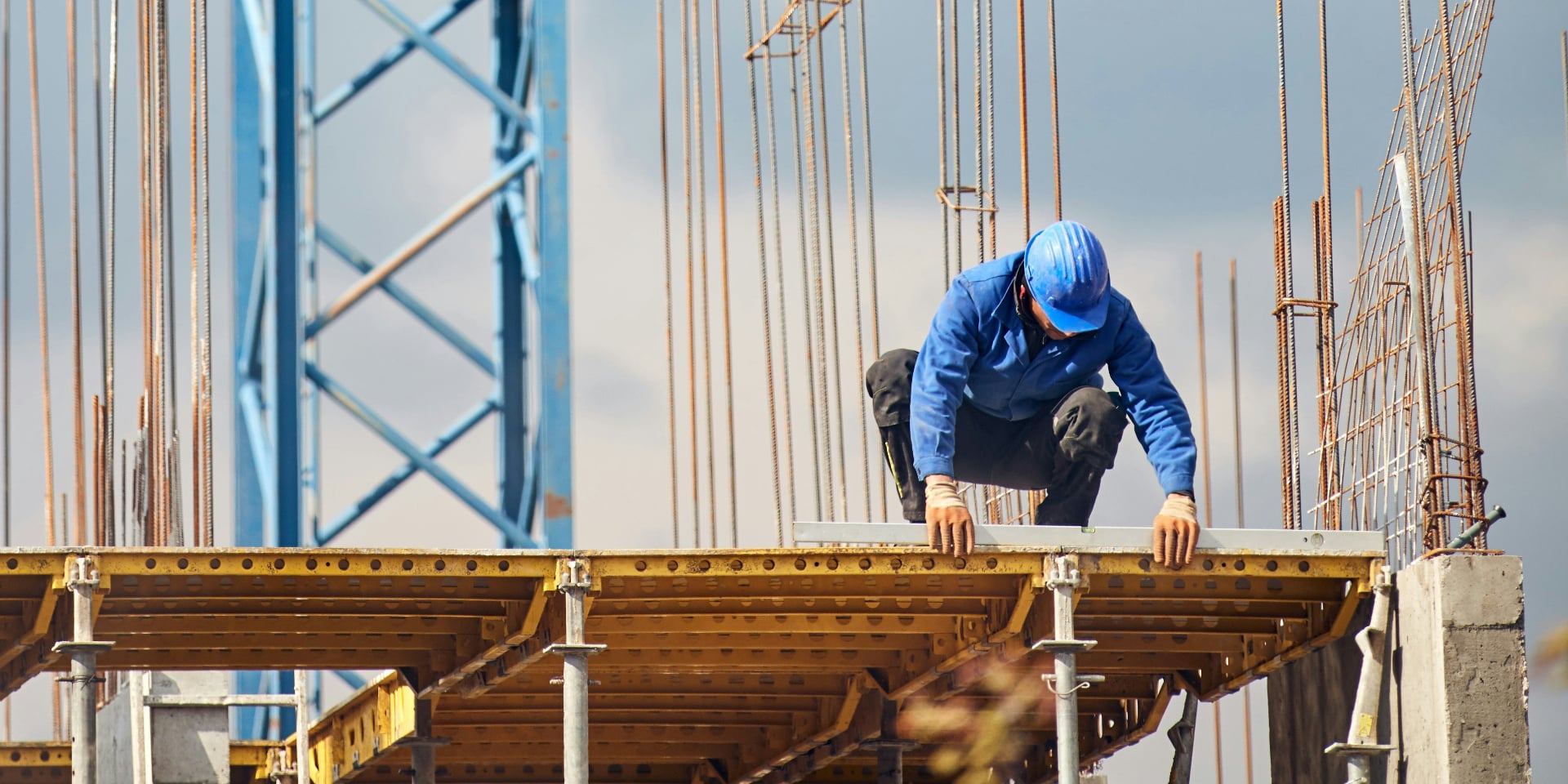
Construction remains one of the world's most hazardous industries. Every day, workers face risks from working at height, heavy machinery, moving vehicles, hazardous substances and constantly changing site conditions. Even with robust safety procedures in place, a single overlooked hazard can lead to serious injury, costly project delays or regulatory action.
The good news is that most construction incidents are preventable.
By identifying common risks early, carrying out regular inspections and encouraging workers to report hazards, organisations can significantly improve site safety and strengthen their overall safety culture.
In this blog, we'll explore the 15 most common safety risks in construction, why they occur, and the practical steps organisations can take to minimise them.
Why Construction Safety Matters?
Construction sites are dynamic environments where multiple contractors, trades and activities often operate simultaneously. This complexity creates new hazards throughout every stage of a project.
Effective safety management helps organisations:
- Protect workers from injury and illness
- Reduce costly project delays
- Meet legal and regulatory obligations
- Improve productivity and operational efficiency
- Strengthen reputation with clients and stakeholders
Rather than reacting to incidents after they occur, successful organisations focus on identifying and controlling risks before they become accidents.
{{cta-03}}
Falls from Height
Falls remain one of the leading causes of fatalities in construction.
Common situations include:
- Roof work
- Scaffolding
- Ladders
- Elevated platforms
- Open edges
How to reduce the risk:
- Use properly inspected fall protection systems
- Install guardrails where possible
- Inspect ladders and scaffolding regularly
- Train workers on safe working at height procedures
Slips, Trips and Falls
Not every fall involves working at height.
Uneven ground, loose cables, poor housekeeping and wet surfaces regularly cause injuries that can easily be avoided.
Best practice includes:
- Keeping walkways clear
- Promptly cleaning spills
- Good lighting across work areas
- Regular site inspections
Struck by Moving Vehicles
Construction vehicles frequently operate in confined spaces alongside pedestrians.
Common hazards include:
- Excavators
- Dump trucks
- Forklifts
- Delivery vehicles
Risk reduction measures:
- Designated pedestrian routes
- Traffic management plans
- Reversing cameras and alarms
- Trained vehicle spotters
Falling Objects
Dropped tools, materials and equipment present significant risks to workers below.
Preventive measures include:
- Securing tools at height
- Installing toe boards
- Creating exclusion zones
- Wearing appropriate head protection
Manual Handling Injuries
Repeated lifting, carrying and awkward postures frequently lead to musculoskeletal disorders.
Reduce the risk by:
- Using lifting equipment
- Planning material movements
- Providing manual handling training
- Reducing repetitive lifting where possible
Electrical Hazards
Temporary electrical installations, damaged cables and overhead power lines create serious risks.
Key controls include:
- Lockout and isolation procedures
- Routine electrical inspections
- Competent electricians
- Clearly marked exclusion zones
Machinery and Equipment Accidents
Heavy machinery can cause severe injuries if operated incorrectly or poorly maintained.
Examples include:
- Cranes
- Excavators
- Concrete mixers
- Power tools
Organisations should ensure:
- Regular maintenance
- Operator competency
- Pre-use inspections
- Safe operating procedures
{{cta-07}}
Exposure to Hazardous Substances
Construction workers may encounter:
- Silica dust
- Cement
- Solvents
- Paints
- Asbestos
- Welding fumes
Long-term exposure can cause serious health conditions.
Control measures include:
- Appropriate PPE
- Ventilation systems
- Dust suppression
- Safe storage and handling procedures
Noise and Vibration
Prolonged exposure to excessive noise can result in permanent hearing loss, while vibrating tools may contribute to Hand-Arm Vibration Syndrome (HAVS).
Employers should:
- Monitor exposure levels
- Rotate tasks
- Provide hearing protection
- Maintain equipment
Excavation and Trench Collapse
Excavations can become unstable without proper planning.
Key precautions include:
- Shoring systems
- Ground assessments
- Safe access and egress
- Daily inspections
Fire and Explosion Risks
Construction sites often contain combustible materials alongside ignition sources.
Typical risks include:
- Hot work
- Fuel storage
- Electrical faults
- Gas cylinders
Fire prevention requires:
- Hot work permits
- Fire extinguishers
- Emergency procedures
- Regular housekeeping
Poor Site Housekeeping
Cluttered sites increase the likelihood of accidents.
Simple improvements can make a significant difference:
- Remove waste regularly
- Organise materials
- Keep access routes clear
- Allocate housekeeping responsibilities
Fatigue and Worker Wellbeing
Long shifts, demanding physical work and adverse weather conditions increase fatigue-related incidents.
Organisations should:
- Monitor working hours
- Encourage rest breaks
- Rotate demanding tasks
- Promote worker wellbeing
Inadequate Training
Many incidents occur because workers lack sufficient knowledge or experience.
Effective training should cover:
- Site induction
- Equipment operation
- Hazard awareness
- Emergency procedures
- Refresher training
Safety knowledge should evolve alongside changing site conditions.
Poor Hazard Reporting
Many near misses and unsafe conditions go unreported, allowing hazards to remain unresolved.
A strong reporting culture encourages workers to report:
- Unsafe acts
- Unsafe conditions
- Near misses
- Equipment defects
- Environmental hazards
Digital reporting tools make it easier for workers to submit observations immediately using mobile devices, enabling faster corrective actions and improved visibility across projects.
{{cta-04}}
Building a Proactive Construction Safety Culture
Preventing accidents requires more than compliance. It depends on creating an environment where safety becomes part of everyday work.
Organisations that achieve strong safety performance typically:
- Carry out frequent site inspections
- Encourage proactive hazard reporting
- Investigate incidents thoroughly
- Track corrective actions
- Analyse safety trends
- Continuously improve procedures
When safety information is centralised, organisations gain greater visibility into recurring issues and can prioritise actions before incidents escalate.
How Digital Safety Management Supports Construction Safety?
Managing construction safety using spreadsheets, paper forms and disconnected systems often results in delayed reporting and missed opportunities to reduce risk.
Modern digital safety management platforms help organisations:
- Report hazards and near misses from any device
- Conduct construction safety inspections
- Manage corrective actions
- Monitor compliance activities
- Analyse safety trends through dashboards
- Generate audit-ready reports
By bringing inspections, incident reporting, observations and corrective actions into a single platform, organisations can make faster, more informed safety decisions while maintaining compliance across multiple projects.
Conclusion
Construction will always involve risk, but those risks can be managed effectively through planning, continuous monitoring and proactive reporting.
Understanding the 15 most common safety risks in construction allows organisations to focus their efforts where they have the greatest impact. By combining regular inspections, engaged workers and digital safety management tools, businesses can reduce incidents, improve compliance and create safer worksites for everyone.
Ultimately, the safest construction projects are those where risk management is embedded into everyday operations - not treated as a box-ticking exercise.
If you're looking for a platform to manage any and all types of risks, we've got you covered. Falcony | GRC is easy-to-use, boosts two-way communication, has customisable workflows, automated analytics, vast integration possibilities and more. Start your 30-day trial or Contact us for more information:
{{cta-01}}
We are building the world's first operational involvement platform. Our mission is to make the process of finding, sharing, fixing and learning from issues and observations as easy as thinking about them and as rewarding as being remembered for them.
By doing this, we are making work more meaningful for all parties involved.
More information at falcony.io.
test cta injection
Button Text
Master Retail Security
Download guideUnlock Whistleblowing Excellence
Contact usSupercharge your tenant experience and involvement!
Download guideImprove your facility audit processes with best practices
Download guideUnlock Whistleblowing Excellence
Download guideSet up your incident reporting process like a boss!
Download guideElevate incident reporting
Download guideLearn more about Safety KPIs and their impact.
Learn moreLet us help you become ESG compliant
Get startedGet started today
Get startedImprove security management
Advance your organisation’s security maturity with an easy-to-use digital SEMS platform built for safer, smarter and more resilient operations.



