

Amusement Park Safety Incidents | The Essential Guide for 15 Critical Types | Falcony
Explore 15 common safety incidents in amusement parks and discover practical prevention tips to ensure a safe and enjoyable experience for all visitors.

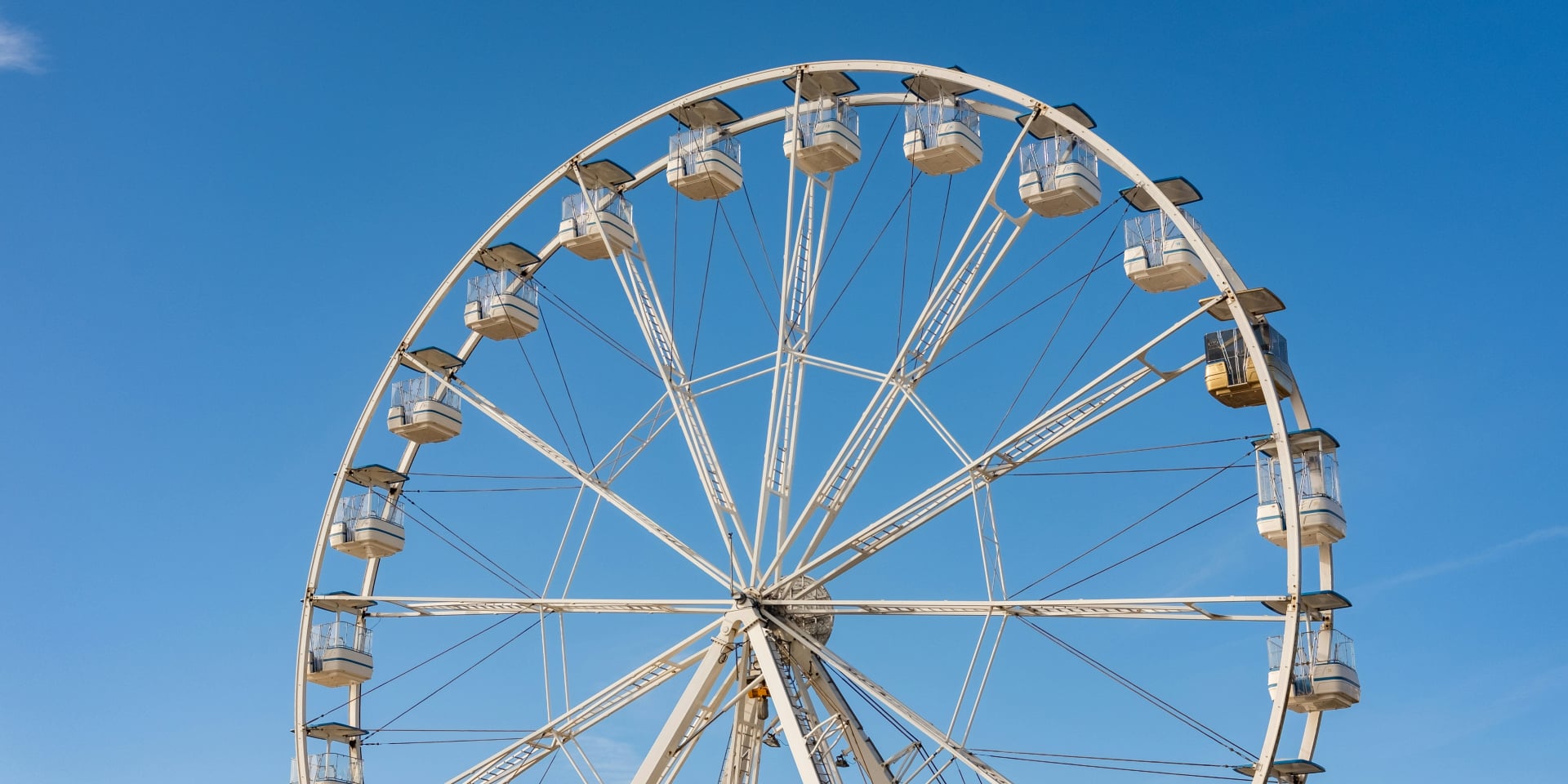
Amusement parks are designed to deliver excitement and enjoyment, but the complexity of their operations also introduces a wide range of safety risks.
From high-speed rides to food services and crowd control, each element of the park must be meticulously managed to ensure visitor wellbeing. The following are 15 common types of safety incidents, along with practical insights into how they occur and how they can be prevented.
Mechanical Failures in Amusement Parks
Mechanical failures are among the most serious safety threats in amusement parks. They typically involve the malfunctioning of ride components such as motors, sensors, restraint systems, or braking mechanisms.
These incidents may be caused by age-related deterioration, manufacturing flaws, or missed maintenance routines. Even with modern automation, machinery can fail—sometimes without visible warning.
Contributing Factors to Mechanical Failures:
- Wear and tear or corrosion
- Missed inspections or servicing
- Manufacturer defects or poor retrofitting
Mechanical Failure Prevention Tips:
- Follow strict maintenance schedules
- Perform regular condition-based monitoring
- Use certified third-party inspectors
Human Error in Amusement Park Operations
No matter how advanced technology becomes, human factors remain central to park safety. Errors made by ride operators, maintenance staff, or supervisory personnel can lead to severe consequences.
These errors might involve skipping procedural steps, misinterpreting signals, or reacting inappropriately during emergencies.
Common Human Error Issues:
- Inadequate staff training
- Failure to complete checklists
- Miscommunication during shift handovers
Solutions for Reducing Human Error:
- Introduce digital checklists and audits
- Emphasise scenario-based training
- Encourage a culture of continuous improvement
Guest Misconduct and Safety
Guests sometimes inadvertently or deliberately engage in unsafe behaviour. This includes standing up mid-ride, forcing safety bars open, or disregarding safety warnings.
Such actions can disrupt ride operation and place both the offender and others at risk.
Examples of Guest Misconduct:
- Standing during rides
- Tampering with seat restraints
- Aggressive or reckless behaviour in queues
Mitigation for Guest Misconduct:
- Clear and multilingual signage
- Regular patrols by trained staff
- Zero-tolerance enforcement policy
{{cta-04}}
Slip, Trip and Fall Accidents
Slips, trips and falls remain the most commonly reported incidents across all types of public venues, and amusement parks are no exception.
Uneven terrain, slick surfaces and obstructed walkways can turn a day of fun into a painful experience.
Slip, Trip and Fall Risk Factors:
- Wet or oily surfaces
- Poor lighting or visibility
- Cluttered walkways or cables
Preventive Actions for Slips, Trips and Falls:
- Use anti-slip mats and flooring
- Implement rapid-response cleaning teams
- Maintain proper lighting across all guest areas
Weather-Related Incidents in Amusement Parks
Outdoor amusement parks must contend with the unpredictability of weather. From electrical storms and high winds to heatwaves and flooding, severe weather can create hazardous conditions in a matter of minutes.
Weather Hazards Include:
- Lightning strikes affecting rides
- Gusty winds destabilising signage or tents
- Extreme heat leading to dehydration or fainting
Weather Risk Management:
- Monitor local weather in real-time
- Establish criteria for suspending rides
- Provide shaded rest areas and water refill stations
Amusement Ride Evacuations
When a ride malfunctions or external conditions demand it, evacuations may be necessary. These operations can be complex, particularly when guests are suspended mid-air, enclosed in dark spaces, or otherwise physically restrained.
Evacuation Concerns:
- Height, darkness, or confined spaces
- Panic or medical complications during descent
- Accessibility for children and guests with disabilities
Ride Evacuation Best Practices:
- Staff training in multiple evacuation scenarios
- Use of harnesses, ladders or mobile platforms
- Clear communication with stranded guests
{{cta-07}}
Queue Area Injuries
Crowded queue lines can cause discomfort and even danger. Long waits, close proximity, and lack of environmental controls can lead to medical complaints, pushing and shoving, or tripping over physical barriers.
Types of Queue Area Injuries:
- Fainting due to heat or exhaustion
- Trips over poorly placed barriers
- Altercations due to queue-jumping
Preventive Steps for Queue Area Injuries:
- Provide cooling systems and shaded queues
- Ensure clear, well-designed queue layouts
- Train staff in de-escalation and first aid
Food Safety Incidents
In large parks, food is prepared and served to thousands of guests daily. Without strict hygiene protocols, the risk of foodborne illnesses or allergic reactions becomes significant.
This can potentially result in serious health outcomes and reputational damage.
Food Safety Risk Areas:
- Cross-contamination of allergens
- Under-cooked or spoiled food
- Unlabelled ingredients triggering allergic reactions
Food Safety Controls:
- Enforce HACCP food safety protocols
- Label allergens clearly
- Conduct frequent kitchen audits and hygiene training
Water-Related Incidents
Water features—while refreshing and entertaining—introduce specific safety risks. Whether in wave pools, log flumes, or splash zones, the potential for both chemical and physical harm is ever-present.
Potential Water-Related Hazards:
- Drowning or near-drowning in pools or flumes
- Chemical irritation from chlorine or disinfectants
- Waterborne illnesses due to poor sanitation
Water-Related Incident Mitigation Measures:
- Lifeguards on duty at all water features
- Regular pH and chlorine testing
- Educate guests on appropriate swimwear and rules
{{cta-05}}
Fire and Electrical Hazards
From kitchen fires to ride control room short circuits, fire and electrical hazards are ever-present.
Without careful oversight, these issues can escalate rapidly and threaten both life and property.
Key Fire and Electrical Risks:
- Overloaded circuits and exposed wiring
- Improper storage of flammable materials
- Grease fires in food stalls
Preventive Actions for Fire and Electrical Hazards:
- Routine PAT testing of electrical equipment
- Clear fire evacuation signage and plans
- Fire extinguishers and training for frontline staff
Lost Children and Vulnerable Guests
Amusement parks are sprawling and stimulating environments, making them especially difficult for young children and vulnerable adults to navigate alone.
Losing contact with carers, even briefly, can be traumatic.
Particularly Affected Groups:
- Young children
- Elderly guests
- Individuals with cognitive impairments
Solutions for Lost Guests:
- Provide ID wristbands with contact details
- Create dedicated ‘lost and found’ coordination zones
- Train staff to handle reunions with empathy and discretion
Medical Emergencies in Amusement Parks
Health emergencies, whether related to existing conditions or environmental factors, can occur without warning.
An effective medical response must be rapid, professional, and well-coordinated.
Common Medical Emergency Scenarios:
- Heatstroke or dehydration
- Cardiac arrest or seizures
- Minor injuries like cuts or sprains
Medical Emergency Response Planning:
- First aid stations equipped with AEDs
- On-site medical personnel or paramedics
- Efficient internal radio and communication systems
{{cta-03}}
Security Incidents
Security incidents, while less frequent, can have high impact.
These may involve disruptive guests, theft, or even threats that require evacuation or police involvement.
Security Incident Types:
- Theft or pickpocketing
- Fights or verbal altercations
- Unauthorised access to restricted areas
Preventive Security Measures:
- Install CCTV and access control systems
- Employ both uniformed and plain-clothed security
- Conduct bag checks at entry points
Animal-Related Incidents
Parks featuring zoos or petting areas introduce risks that go beyond conventional safety concerns.
Animal unpredictability, hygiene, and guest behaviour all play a role in potential incidents.
Animal-Related Incident Types:
- Bites, scratches, or allergic reactions
- Feeding of animals without permission
- Escapes or containment breaches
Animal-Related Incident Controls:
- Barriers and signage around enclosures
- Hand-washing stations post-interaction
- Experienced handlers overseeing guest interactions
Transport and Traffic Accidents
Guest safety begins at the point of arrival.
Transport-related incidents—especially in busy car parks or pick-up areas—can occur when vehicle flow is not adequately managed.
Common Transport and Traffic Risks:
- Vehicle-pedestrian collisions in car parks
- Shuttle bus mishaps
- Traffic congestion leading to guest frustration
Preventive Transport and Traffic Strategies:
- Clearly marked pedestrian pathways
- Designated drop-off and loading zones
- Staff-assisted traffic management during peak times
Conclusion
The range of potential safety incidents in amusement parks is as diverse as the attractions themselves.
From technical failures to behavioural issues and environmental hazards, each incident category presents its own challenges and implications.
To address these effectively, park operators must take a holistic approach—combining proactive risk assessments, comprehensive training, clear communication, and technology-enabled incident reporting. By doing so, they not only protect their guests and employees but also safeguard the long-term success and reputation of the park.
If you're looking to implement a modern incident platform that can help to monitor all the areas mentioned above, we've got you covered. Falcony | Observe is easy-to-use, fast to set up, has customisable workflows, vast integration possibilities and more. Contact us for more information.
{{cta-01}}
We are building the world's first operational involvement platform. Our mission is to make finding, sharing, fixing and learning from issues and observations as easy as thinking about them and as rewarding as being remembered for them.
By doing this, we are making work more meaningful for all parties involved.
More information at falcony.io.
test cta injection
Button Text
Master Retail Security
Download guideUnlock Whistleblowing Excellence
Contact usSupercharge your tenant experience and involvement!
Download guideImprove your facility audit processes with best practices
Download guideUnlock Whistleblowing Excellence
Download guideSet up your incident reporting process like a boss!
Download guideElevate incident reporting
Download guideLearn more about Safety KPIs and their impact.
Learn moreLet us help you become ESG compliant
Get startedGet started today
Get startedImprove security management
Advance your organisation’s security maturity with an easy-to-use digital SEMS platform built for safer, smarter and more resilient operations.



