

7 Key Loss Prevention Risks in the Medical Devices Industry
Discover 7 critical loss prevention risks in the medical devices industry and how to manage them with effective risk and compliance strategies.

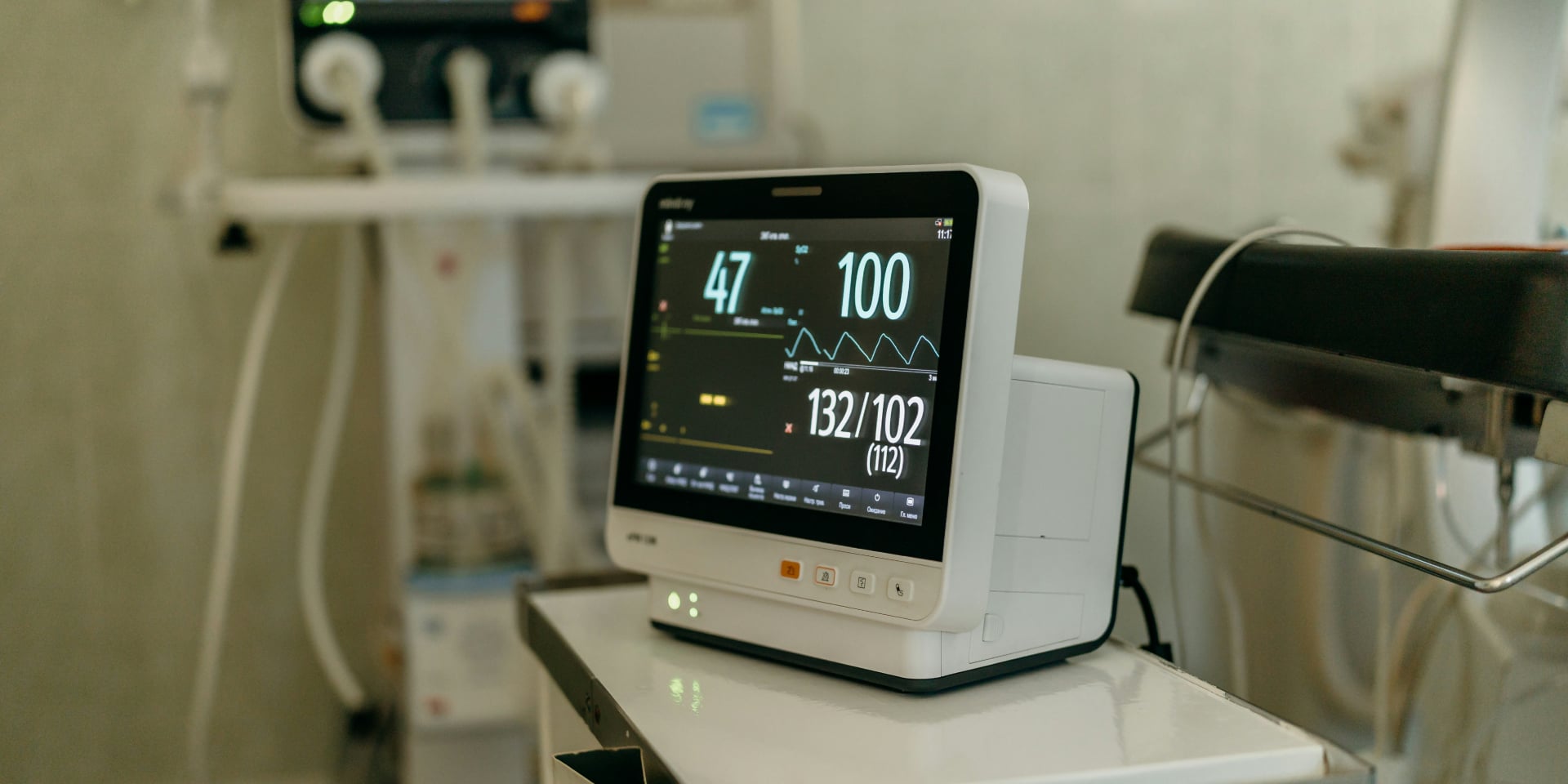
The medical devices industry operates at the intersection of innovation, regulation and patient safety - an environment where even minor failures can carry significant financial, operational and reputational consequences.
For risk management professionals, loss prevention is not simply about avoiding incidents; it is about building resilient systems that safeguard quality, compliance and trust.
In this blog, we explore seven key loss prevention risks in the medical devices industry and outline practical strategies to mitigate them effectively.
Regulatory Non-Compliance
Medical devices are subject to stringent regulatory frameworks across global markets. Non-compliance can lead to product recalls, fines and restricted market access.
Key risk factors:
- Failure to meet evolving regulatory standards
- Inadequate documentation and audit trails
- Delayed reporting of incidents
Mitigation strategies:
- Implement robust compliance monitoring systems
- Conduct regular internal audits
- Maintain up-to-date regulatory intelligence
A centralised GRC approach can streamline compliance processes and ensure audit readiness across jurisdictions.
Product Quality Failures
Quality failures can have direct implications for patient safety and brand reputation. Even isolated defects can escalate into large-scale recalls.
Common causes:
- Inconsistent manufacturing processes
- Poor supplier quality management
- Insufficient testing protocols
Best practices:
- Adopt end-to-end quality management systems
- Integrate real-time monitoring across production
- Strengthen supplier qualification processes
{{cta-04}}
Supply Chain Disruptions
The global nature of medical device supply chains introduces vulnerabilities that can lead to delays, shortages and financial loss.
Key challenges:
- Over-reliance on single-source suppliers
- Geopolitical instability
- Logistics bottlenecks
Risk reduction approaches:
- Diversify supplier networks
- Map critical dependencies
- Implement supply chain risk monitoring tools
Resilient supply chains are no longer optional - they are a competitive necessity.
Cybersecurity Threats
As devices become increasingly connected, cybersecurity risks are rapidly escalating. A breach can compromise sensitive data and disrupt operations.
Risk exposure includes:
- Ransomware attacks on manufacturing systems
- Data breaches involving patient or clinical data
- Vulnerabilities in connected devices
Mitigation measures:
- Conduct regular cybersecurity risk assessments
- Implement secure-by-design principles
- Align with recognised cybersecurity frameworks
Cyber resilience should be embedded into both product design and organisational processes.
{{cta-07}}
Ineffective Incident Reporting
A lack of structured incident reporting can prevent organisations from identifying patterns, addressing root causes and preventing recurrence.
Warning signs:
- Fragmented reporting systems
- Delayed escalation of issues
- Limited visibility into incident trends
Solutions:
- Deploy unified incident reporting platforms
- Standardise workflows and escalation procedures
- Leverage analytics for trend identification
Modern platforms such as integrated GRC solutions can significantly enhance visibility and response times.
Human Error and Training Gaps
Even in highly regulated environments, human error remains a persistent risk factor.
Common issues:
- Inadequate staff training
- Lack of standardised procedures
- Poor communication across teams
Preventative actions:
- Implement continuous training programmes
- Use digital checklists and standard operating procedures
- Foster a culture of accountability and safety
Reducing human error requires both process discipline and cultural alignment.
{{cta-03}}
Poor Risk Visibility and Data Silos
One of the most overlooked risks is fragmented data. When risk information is siloed, organisations struggle to make informed decisions.
Consequences:
- Incomplete risk assessments
- Delayed response to emerging threats
- Inefficient audits and reporting
Strategic approach:
- Centralise risk, audit and incident data
- Enable real-time dashboards and reporting
- Integrate systems across departments
Breaking down silos is essential for proactive, rather than reactive, risk management.
Building a Proactive Loss Prevention Strategy
Addressing these risks requires more than isolated fixes - it demands an integrated approach. Leading organisations are moving towards holistic risk management frameworks that connect compliance, quality, incident management and operational data.
Key elements of a strong strategy include:
- Centralised governance, risk and compliance (GRC) systems
- Real-time data visibility
- Cross-functional collaboration
- Continuous improvement cycles
Conclusion
The medical devices industry faces a complex risk landscape where loss prevention is intrinsically linked to patient safety, regulatory compliance and operational resilience.
By understanding and addressing these seven key loss prevention risks, organisations can strengthen their risk posture and protect both their bottom line and their reputation.
For organisations looking to modernise their approach, integrated platforms offer a practical pathway to unify risk management, improve visibility and drive smarter decision-making. Falcony | GRC is easy-to-use, fast to set up, has customisable workflows, vast integration possibilities and more. Contact us for more information or test the platform yourself:
{{cta-01}}
We are building the world's first operational involvement platform. Our mission is to make the process of finding, sharing, fixing and learning from issues and observations as easy as thinking about them and as rewarding as being remembered for them.
By doing this, we are making work more meaningful for all parties involved.
More information at falcony.io.
test cta injection
Button Text
Master Retail Security
Download guideUnlock Whistleblowing Excellence
Contact usSupercharge your tenant experience and involvement!
Download guideImprove your facility audit processes with best practices
Download guideUnlock Whistleblowing Excellence
Download guideSet up your incident reporting process like a boss!
Download guideElevate incident reporting
Download guideLearn more about Safety KPIs and their impact.
Learn moreLet us help you become ESG compliant
Get startedGet started today
Get startedImprove security management
Advance your organisation’s security maturity with an easy-to-use digital SEMS platform built for safer, smarter and more resilient operations.



