

Cybersecurity Audits | The Essential Checklist for Resilient Organizations | Falcony
Cybersecurity audits are the frontline shield against evolving threats. Identify how audits boost resilience, reduce risk & stay ahead of cyber threats.

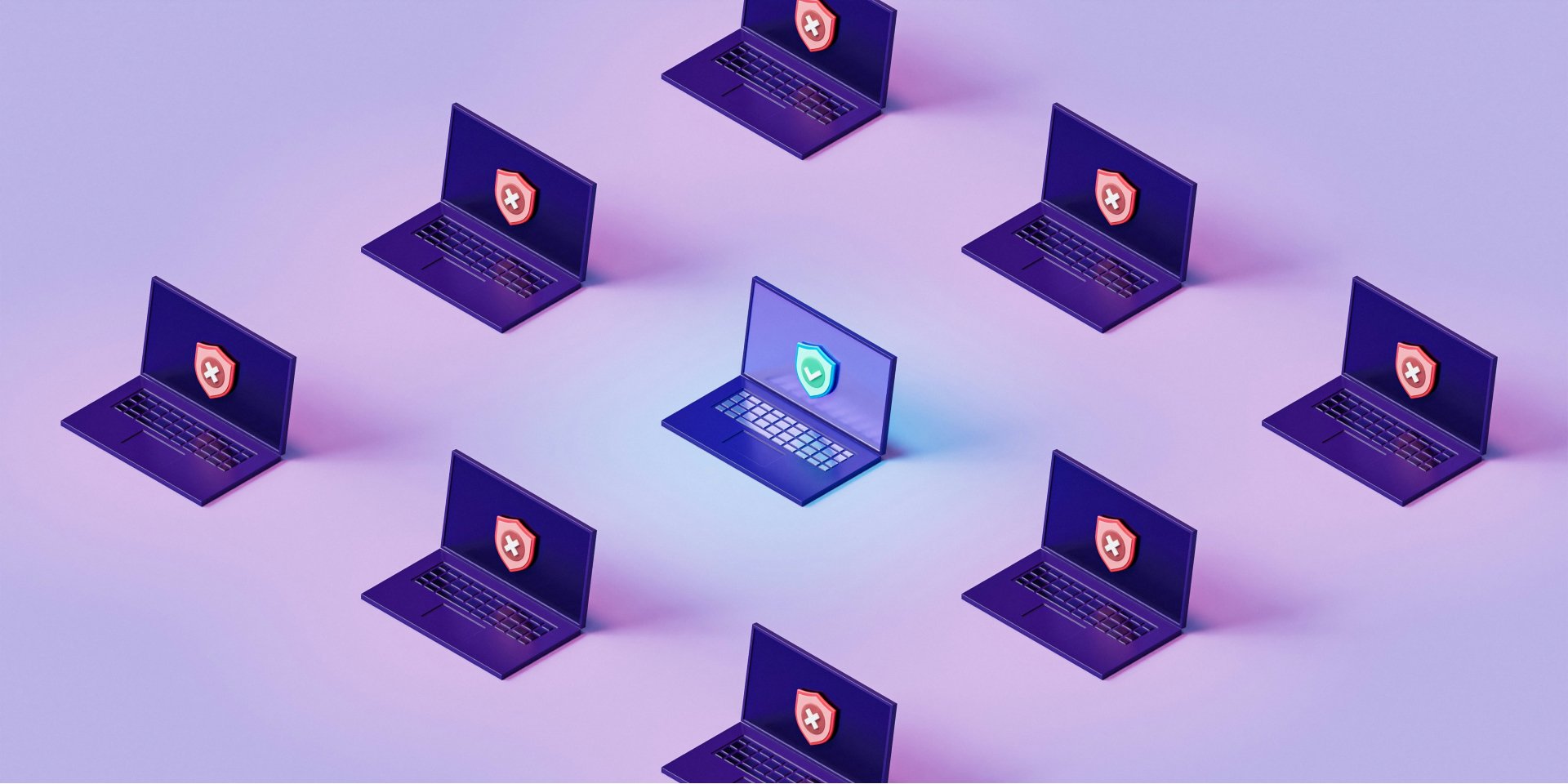
Cyber threats are evolving at a pace that few organisations can comfortably match. Ransomware attacks, supply chain compromises, zero-day exploits and human error continue to test even the most mature security teams. In this landscape, cybersecurity audits are not simply a compliance requirement - they are a strategic necessity.
A well-run cybersecurity audit provides clarity about your organisation’s defences. It exposes blind spots, verifies the effectiveness of controls and guides investment decisions based on evidence rather than assumptions. For security professionals tasked with safeguarding operations, audits deliver the insight required to stay ahead of attackers - and resilient against disruption.
Why Cybersecurity Audits Matter?
Cybersecurity audits serve as a structured, repeatable mechanism for assessing security posture.
They help organisations:
- Identify weaknesses before attackers find them
- Validate the effectiveness of security controls
- Support regulatory compliance, including ISO 27001, NIS2, GDPR and industry frameworks
- Enhance incident preparedness through clear risk understanding
- Improve cross-functional accountability across IT, security and operations
- Strengthen stakeholder confidence with evidence-based reporting
Audits are the backbone of continuous security improvement - an essential component of resilience.
{{cta-04}}
Core Components of Cybersecurity Audit
A robust audit should cover multiple layers of technical, organisational and procedural controls. Below is a structured overview of what to examine.
Governance and Security Management
Strong governance ensures security is not a siloed IT activity but an organisation-wide practice.
Key checks include:
- Clear roles and responsibilities
- Documented security policies and procedures
- Executive involvement and oversight
- Risk management framework and methodology
- Regular policy reviews and updates
Governance sets the tone for everything that follows.
Asset Inventory and Classification
You can’t protect what you don’t know exists.
Audit essentials:
- Comprehensive asset inventory (hardware, software, cloud services, data)
- Data classification based on sensitivity
- Ownership and accountability for each asset
- Lifecycle management processes
This step underpins access control, monitoring and incident response effectiveness.
Access Control and Identity Management
Weak access controls remain one of the most common attack vectors.
Audit considerations:
- Multi-factor authentication for all critical systems
- Strong password policies
- Role-based access control (RBAC)
- Privileged access management (PAM)
- Regular access reviews
- Offboarding processes
Poor access hygiene often signals broader security weaknesses.
Network and Infrastructure Security
Audits must assess the technical backbone that keeps operations running.
Core checks include:
- Firewalls, IDS/IPS and secure network segmentation
- Endpoint protection and patch management
- Secure configuration baselines
- Cloud configuration and access reviews
- Encryption in transit and at rest
- Vulnerability scanning and penetration testing results
Strong perimeter and internal network controls significantly reduce attack surfaces.
Application and Software Security
Modern organisations rely on vast digital ecosystems - each a potential entry point.
Audit criteria:
- Secure development lifecycle (SDLC)
- Code review and testing practices
- Dependency and software update management
- API security controls
- Web application firewalls
- Management of third-party and open-source components
Application security failures are among the most exploitable vulnerabilities.
Incident Response and Business Continuity
When an attack occurs, response time and coordination make all the difference.
Audit checklist:
- Incident response plan and playbooks
- Defined communication channels
- Roles and responsibilities during incidents
- Training and simulations (tabletop exercises)
- Backup and recovery processes
- Disaster recovery strategy
Preparedness transforms chaos into controlled action.
Third-Party and Supply Chain Risk
Many breaches originate outside the organisation.
Audit priorities:
- Vendor risk assessments
- Contractual security requirements
- Monitoring of critical suppliers
- Access management for external partners
- Review of subcontractors (fourth-party risk)
Supply chains require continuous, not occasional, scrutiny.
Security Awareness and Training
Human error accounts for a large proportion of successful attacks.
Audit focus:
- Regular cybersecurity training programmes
- Phishing simulations
- Clear reporting processes for suspicious activity
- Culture of accountability and continuous improvement
A well-informed workforce is one of the strongest lines of defence.
Common Challenges Organisations Face During Cybersecurity Audits
Even experienced teams encounter obstacles such as:
- Fragmented documentation across systems
- Inconsistent processes between departments
- Limited visibility into shadow IT or cloud environments
- Manual audit workflows leading to errors and delays
- Difficulty tracking remediation actions
These issues underline the need for modern audit tools that enhance visibility and streamline oversight.
{{cta-10}}
How Digital Platforms Improve Cybersecurity Audits?
Manual audits often rely on spreadsheets and static documents - methods that cannot keep pace with complex security environments.
Platforms help organisations:
- Standardise audit workflows
- Conduct assessments via mobile or web
- Capture evidence through photos and files
- Assign corrective actions and track progress
- Maintain audit trails for compliance
- Visualise trends and emerging risks across sites or teams
Digitalisation turns audits from periodic snapshots into continuous security assurance.
Conclusion - Audits as Catalyst for Resilience
Cybersecurity audits are more than checklists - they are powerful tools for strengthening operational resilience. They provide clarity in a complex threat landscape, help identify high-risk gaps and support well-informed security investments.
For security professionals committed to safeguarding their organisation, regular and well-structured audits are essential. And with the right digital tools, they become faster, more consistent and far more impactful.
If your organisation is ready to modernise its audit approach, adopting a digital platform can help transform cybersecurity assurance into a strategic advantage. Falcony | Security is easy-to-use, boosts two-way communication, has customizable workflows, automated analytics, vast integration possibilities, and more. Start your 30-day trial or Contact us for more information:
{{cta-01}}
We are building the world's first operational involvement platform. Our mission is to make the process of finding, sharing, fixing, and learning from issues and observations as easy as thinking about them and as rewarding as being remembered for them.
By doing this, we are making work more meaningful for all parties involved.
More information at falcony.io.
test cta injection
Button Text
Master Retail Security
Download guideUnlock Whistleblowing Excellence
Contact usSupercharge your tenant experience and involvement!
Download guideImprove your facility audit processes with best practices
Download guideUnlock Whistleblowing Excellence
Download guideSet up your incident reporting process like a boss!
Download guideElevate incident reporting
Download guideLearn more about Safety KPIs and their impact.
Learn moreLet us help you become ESG compliant
Get startedGet started today
Get startedImprove security management
Advance your organisation’s security maturity with an easy-to-use digital SEMS platform built for safer, smarter and more resilient operations.



