

How to Transition from Paper-Based to Digital Chemical Registers? | Falcony
Learn how to transition from paper-based to digital chemical registers, improve compliance, reduce risk and streamline chemical management processes.

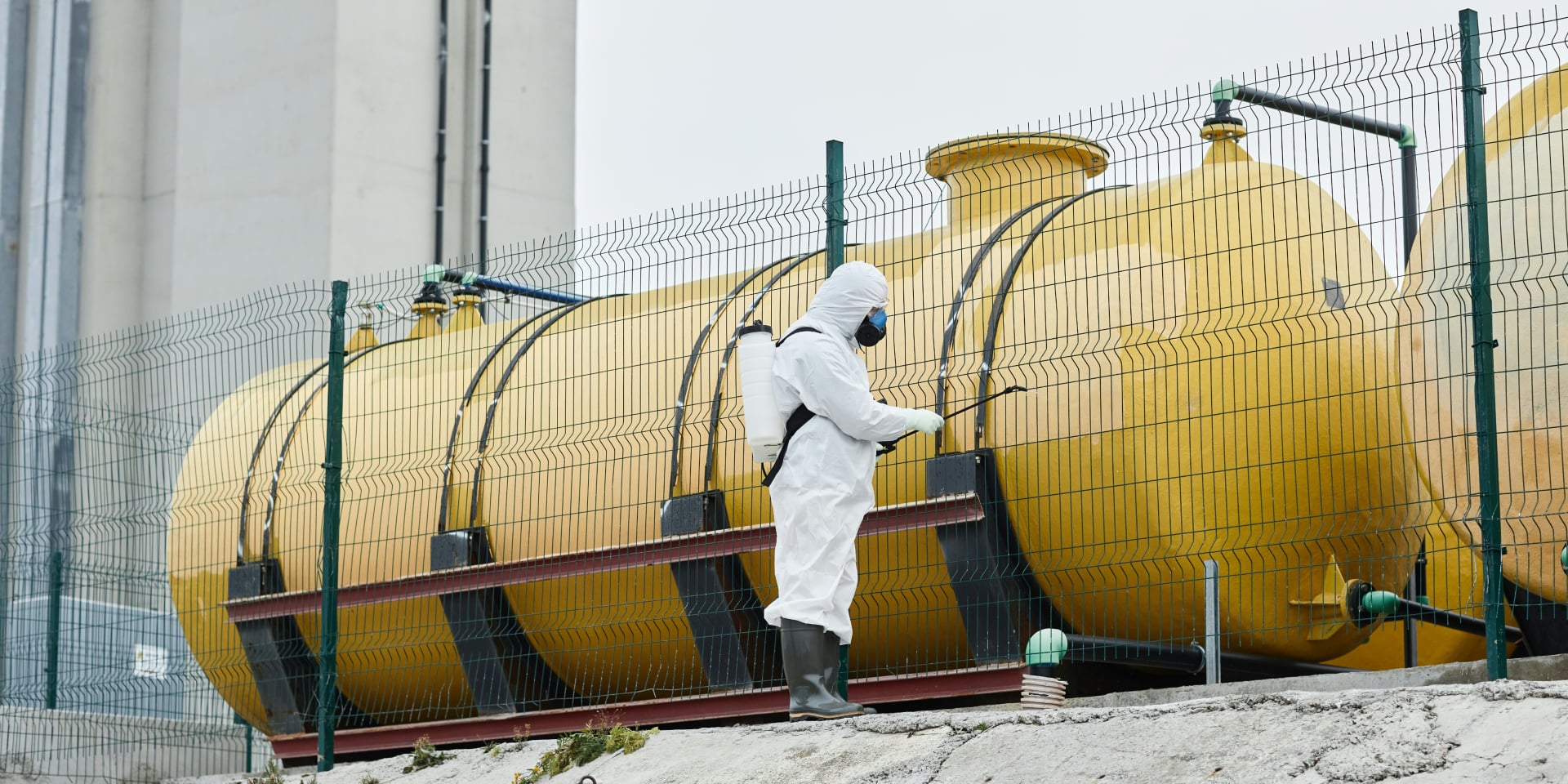
In many organisations, chemical registers still live in ring binders, spreadsheets or shared drives. They are updated manually, reviewed periodically and - too often - relied upon during inspections with a degree of quiet hope.
But chemical risk management has evolved. Regulatory expectations are tighter, supply chains are more complex and workplace transparency is non-negotiable. Paper-based systems, while familiar, are no longer sufficient.
For Chemical Management and HSEQ professionals, the question is not whether to digitise chemical registers, but how to transition from paper-based to digital chemical registers effectively, securely and without operational disruption.
This guide outlines a practical, structured approach to making that shift - and doing it well.
Why Paper-Based Chemical Registers No Longer Work?
Paper and spreadsheet-based registers often struggle to support modern chemical governance.
Common challenges include:
- Outdated Safety Data Sheets (SDS)
- Version control issues
- Limited accessibility across sites
- Manual risk assessments
- Inconsistent labelling and classification updates
- Audit trail gaps
In high-risk environments, delayed or inaccurate chemical information can lead to compliance breaches, environmental incidents and health & safety risks.
Digitisation is not simply about convenience - it is about control, accuracy and resilience.
What a Modern Digital Chemical Register Should Deliver?
Before transitioning, it is important to define what “good” looks like.
A digital chemical register should provide:
Centralised Chemical Inventory
A single source of truth across all sites and departments.
Automated SDS Management
Up-to-date Safety Data Sheets linked directly to each chemical entry.
Real-Time Access
Accessible information for authorised staff via desktop or mobile devices.
Integrated Risk Assessments
Linkage between chemical inventory, hazard classification and task-based risk assessments.
Audit Trail and Reporting
Full traceability of updates, approvals and historical changes.
Regulatory Alignment
Support for compliance with frameworks such as:
- REACH Regulation
- CLP Regulation
- Control of Substances Hazardous to Health Regulations 2002
A digital register should not merely replicate paper - it should enhance oversight and risk intelligence.
{{cta-04}}
Step-by-Step - How to Transition from Paper-Based to Digital Chemical Registers?
A successful transition requires more than uploading PDFs. It demands structured planning.
Conduct a Chemical Register Audit
Start by reviewing your current register:
- Are all chemicals listed?
- Are SDS documents current?
- Are quantities and storage locations accurate?
- Are obsolete chemicals still recorded?
- Are risk assessments linked?
This baseline assessment highlights data gaps before migration.
Clean and Standardise Data
Digitisation is an opportunity to improve data quality.
Standardise:
- Chemical names and identifiers (CAS numbers)
- Hazard classifications
- Storage locations
- Responsible owners
- Approval workflows
Data consistency ensures the digital system delivers meaningful reporting.
Map Regulatory Requirements
Identify which legal obligations apply across your operations. For many organisations, this includes REACH, CLP and COSHH requirements, as well as environmental permitting and waste regulations.
Clarify:
- Reporting obligations
- Review frequencies
- Documentation retention requirements
- Labelling and classification updates
Embedding regulatory logic into the digital platform prevents reactive compliance.
Select the Right Digital Platform
When evaluating solutions, prioritise:
- Cloud-based accessibility
- Mobile functionality for site inspections
- Role-based permissions
- Integration with incident management and inspections
- Automated alerts for SDS updates
- Dashboard reporting
Modern HSEQ platforms provide a structured environment for chemical governance. Digital platforms enables organisations to centralise chemical registers, inspections, audits and incident reporting within one ecosystem.
The goal is integration - not another siloed tool.
Plan Data Migration Carefully
Data migration should be controlled and validated.
Best practice includes:
- Piloting one site before organisation-wide rollout
- Assigning data owners
- Conducting verification checks
- Testing reporting outputs
- Running parallel systems temporarily where necessary
Accuracy at this stage prevents future compliance issues.
Train and Engage Users
Technology adoption depends on people.
Provide:
- Clear user guidance
- Role-specific training
- Defined update responsibilities
- Visible leadership endorsement
When site managers and supervisors understand the practical benefits - faster access to SDS, simplified inspections, easier audits - adoption accelerates.
The Operational Benefits of Digital Chemical Registers
Once implemented effectively, digital registers deliver tangible advantages:
Improved Compliance Confidence
Real-time visibility reduces the risk of outdated documentation during inspections.
Faster Incident Response
Immediate access to hazard and handling information supports emergency management.
Stronger Risk Visibility
Dashboards allow HSEQ leaders to identify high-risk substances or storage trends.
Reduced Administrative Burden
Automation replaces manual tracking and reminder systems.
Better Audit Readiness
Digital records create an accessible, time-stamped audit trail.
In short, digitalisation transforms chemical management from reactive record-keeping into proactive risk control.
Common Pitfalls to Avoid
While the transition is valuable, common mistakes can undermine success:
- Treating digitisation as a simple IT project
- Migrating poor-quality data without validation
- Failing to align with regulatory requirements
- Overcomplicating workflows
- Neglecting change management
Digital tools amplify existing processes - both good and bad. Process clarity must come first.
{{cta-03}}
From Compliance Obligation to Strategic Capability
Chemical registers are often viewed as administrative necessities. In reality, they sit at the intersection of health & safety, environmental stewardship and operational continuity.
A well-managed digital chemical register enables:
- Safer workplaces
- Stronger environmental performance
- Clearer accountability
- Enhanced governance reporting
- Greater transparency for regulators and stakeholders
In increasingly regulated industries, structured chemical management is a competitive asset.
Conclusion - Future-Proofing Chemical Management
Understanding how to transition from paper-based to digital chemical registers is no longer optional for forward-looking organisations. It is a critical step towards improving compliance, strengthening risk oversight and modernising HSEQ governance.
By auditing existing data, standardising processes and implementing an integrated digital platform, Chemical Management professionals can move beyond reactive compliance and build a resilient, future-ready system.
Digital transformation, when executed thoughtfully, turns chemical management into a strategic advantage rather than an administrative burden.
If your organisation is still relying on paper files or static spreadsheets, now is the time to evaluate whether your chemical register truly supports operational safety - or simply documents it. Falcony | HSEQ is easy-to-use, boosts two-way communication, has customisable workflows, automated analytics, vast integration possibilities and more. Start your 30-day trial or Contact us for more information:
{{cta-01}}
We are building the world's first operational involvement platform. Our mission is to make the process of finding, sharing, fixing and learning from issues and observations as easy as thinking about them and as rewarding as being remembered for them.
By doing this, we are making work more meaningful for all parties involved.
More information at falcony.io.
test cta injection
Button Text
Master Retail Security
Download guideUnlock Whistleblowing Excellence
Contact usSupercharge your tenant experience and involvement!
Download guideImprove your facility audit processes with best practices
Download guideUnlock Whistleblowing Excellence
Download guideSet up your incident reporting process like a boss!
Download guideElevate incident reporting
Download guideLearn more about Safety KPIs and their impact.
Learn moreLet us help you become ESG compliant
Get startedGet started today
Get startedImprove security management
Advance your organisation’s security maturity with an easy-to-use digital SEMS platform built for safer, smarter and more resilient operations.



