

Chemical Storage Regulations - What You Must Know?
Chemical storage regulations explained. Learn how to ensure safe storage, reduce risk and stay compliant with modern HSEQ best practice.

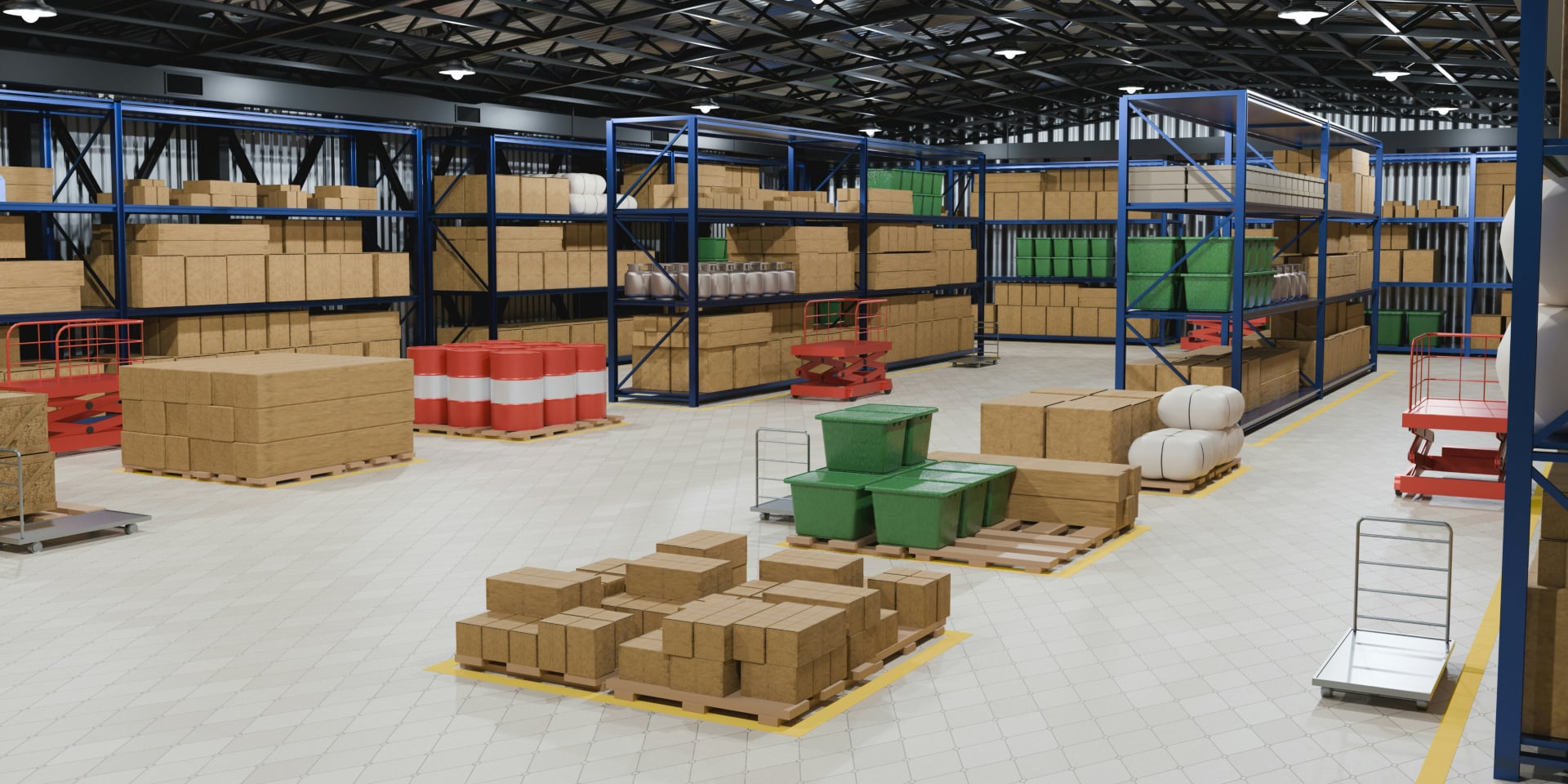
Chemical storage regulations are not simply about where you place a container on a shelf. They define how organisations protect people, property, the environment and their own operational continuity.
For Chemical Management professionals, the regulatory landscape is increasingly complex. Between evolving environmental standards, worker safety requirements and supply chain scrutiny, compliance demands structured oversight rather than reactive fixes.
The good news? With the right systems and governance in place, chemical storage regulations can become a foundation for safer, more efficient and audit-ready operations.
Why Chemical Storage Regulations Matter More Than Ever?
Across manufacturing, energy, logistics, pharmaceuticals and facilities management, hazardous substances remain essential to operations.
However, the consequences of improper storage can be severe:
- Workplace injuries and long-term health effects
- Environmental contamination
- Fire and explosion risks
- Regulatory fines and enforcement notices
- Reputational damage
- Operational shutdowns
Modern regulators expect organisations to demonstrate proactive control - not just policy statements. Compliance is about evidence, traceability and continuous monitoring.
The Core Legal Frameworks You Must Consider
Chemical storage obligations vary by jurisdiction, but in the UK and EU context, several regulatory pillars typically apply.
Hazard Classification and Labelling
UK REACH and CLP Regulation
Organisations must ensure chemicals are correctly classified, labelled and accompanied by up-to-date Safety Data Sheets (SDS). Storage requirements often depend directly on hazard classification (flammable, corrosive, toxic, oxidising, etc.).
Misclassification at this stage can cascade into widespread compliance failure.
Control of Hazardous Substances
Control of Substances Hazardous to Health Regulations 2002
Under COSHH, employers must assess risks, implement control measures and prevent exposure. Storage forms a critical part of these controls.
This includes:
- Segregation of incompatible substances
- Ventilation requirements
- Spill containment provisions
- Clear hazard communication
Storage is not separate from risk assessment - it is central to it.
Major Accident Prevention
COMAH Regulations 2015
For sites storing significant volumes of hazardous chemicals, COMAH imposes enhanced duties relating to major accident prevention, emergency planning and regulatory reporting.
At this level, chemical storage becomes a strategic risk management issue with board-level accountability.
{{cta-03}}
Key Principles of Compliant Chemical Storage
Regardless of sector, certain principles consistently underpin chemical storage regulations.
Proper Segregation
Incompatible chemicals must never be stored together.
For example:
- Acids and alkalis
- Oxidisers and flammables
- Water-reactive substances near moisture sources
A compatibility matrix should guide storage planning and inspections.
Secure Containment
Storage areas should include:
- Secondary containment (bunding)
- Corrosion-resistant shelving
- Clearly marked storage zones
- Appropriate temperature control
Containment reduces the impact of leaks and spills while demonstrating due diligence.
Ventilation and Fire Protection
Many chemicals emit vapours that require controlled ventilation.
Flammable substances demand:
- Explosion-proof storage cabinets
- Fire-rated enclosures
- Proximity to appropriate extinguishing systems
Compliance aligns closely with fire risk assessment obligations.
Inventory Control and Labelling
An accurate, up-to-date inventory is essential.
Organisations should be able to answer at any time:
- What chemicals are on-site?
- In what quantities?
- Where are they located?
- When were they last inspected?
Without digital tracking, this becomes difficult to manage at scale.
Common Compliance Gaps
Even experienced organisations encounter recurring weaknesses:
- Outdated or missing Safety Data Sheets
- Overcrowded storage areas
- Inconsistent inspection routines
- Poor documentation of spill incidents
- Manual tracking systems prone to error
- Lack of visibility across multiple sites
These gaps often emerge during inspections or after incidents - precisely when they are most costly.
{{cta-04}}
The Role of Inspections and Audits
Routine inspections are not optional - they are essential to maintaining compliance.
Effective inspection programmes include:
- Standardised digital checklists
- Photo evidence capture
- Immediate corrective action assignment
- Escalation workflows for high-risk findings
- Trend analysis across sites
Audit trails should be easily accessible to regulators and internal leadership alike.
Chemical storage compliance is not static. Stock changes, processes evolve and regulatory updates emerge. Continuous monitoring is therefore critical.
Digitalising Chemical Storage Management
For many organisations, spreadsheets and paper-based inspection logs remain the norm. However, as operations scale, this approach introduces risk.
Modern HSEQ platforms centralise chemical management by enabling:
- Digital chemical inventories
- Automated inspection scheduling
- Real-time incident reporting
- Corrective action tracking
- Role-based accountability
- Dashboard reporting for leadership
Solutions allow organisations to integrate chemical storage management within broader safety and compliance workflows.
When inspections, incidents and corrective actions sit in a unified system, oversight improves dramatically.
{{cta-07}}
Aligning Chemical Storage with Broader HSEQ Strategy
Chemical storage regulations should not operate in isolation.
They intersect with:
- Environmental management systems
- Occupational health programmes
- Emergency preparedness planning
- Contractor safety management
- ESG reporting
By embedding chemical storage controls into a wider HSEQ framework, organisations strengthen governance while reducing duplication of effort.
In practical terms, this means:
- Linking storage audits to enterprise risk registers
- Integrating spill reporting with incident management systems
- Aligning chemical handling training with competency tracking
- Ensuring board-level visibility of high-risk substances
Compliance becomes part of operational excellence rather than a reactive exercise.
Future Trends in Chemical Storage Regulation
Looking ahead, organisations should anticipate:
- Increased scrutiny of hazardous waste handling
- Stronger ESG-driven transparency requirements
- Greater enforcement activity
- Digitally enabled regulatory reporting
- Higher expectations for supply chain disclosure
Regulators are moving towards real-time visibility. Organisations should do the same.
Conclusion - Compliance Is a Foundation for Safer Operations
Chemical storage regulations are not merely technical obligations - they are essential safeguards that protect people, assets and reputation.
For Chemical Management professionals, the objective is clear:
- Maintain accurate, real-time visibility of chemical inventories
- Standardise inspection and documentation processes
- Digitise corrective action tracking
- Integrate storage oversight within a broader HSEQ framework
With structured governance and modern digital tools, compliance becomes more than regulatory adherence - it becomes a driver of safer, more resilient operations.
If your organisation is reviewing its chemical storage controls, now is the time to assess whether your systems provide the visibility, accountability and scalability required in today’s regulatory environment. Falcony | HSEQ is easy-to-use, boosts two-way communication, has customisable workflows, automated analytics, vast integration possibilities and more. Start your 30-day trial or Contact us for more information:
{{cta-01}}
We are building the world's first operational involvement platform. Our mission is to make the process of finding, sharing, fixing and learning from issues and observations as easy as thinking about them and as rewarding as being remembered for them.
By doing this, we are making work more meaningful for all parties involved.
More information at falcony.io.
test cta injection
Button Text
Master Retail Security
Download guideUnlock Whistleblowing Excellence
Contact usSupercharge your tenant experience and involvement!
Download guideImprove your facility audit processes with best practices
Download guideUnlock Whistleblowing Excellence
Download guideSet up your incident reporting process like a boss!
Download guideElevate incident reporting
Download guideLearn more about Safety KPIs and their impact.
Learn moreLet us help you become ESG compliant
Get startedGet started today
Get startedImprove security management
Advance your organisation’s security maturity with an easy-to-use digital SEMS platform built for safer, smarter and more resilient operations.



