

Difference Between Cleaning Audit and Cleaning Inspection?
Discover the difference between a cleaning audit and a cleaning inspection, why both matter, and how to improve quality, compliance and service quality.

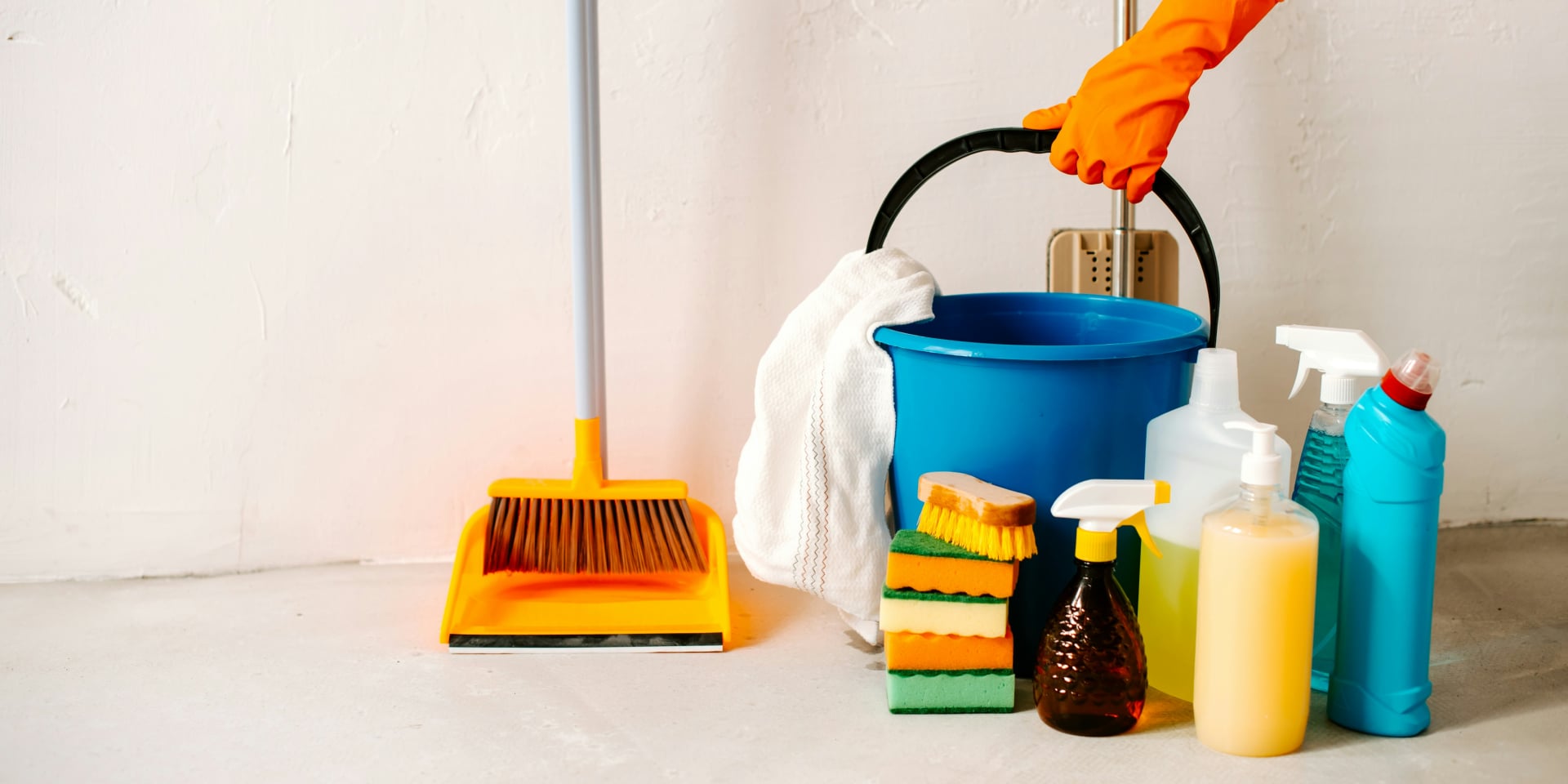
If you've ever heard the terms cleaning audit and cleaning inspection used interchangeably, you're certainly not alone. Although they are closely related, they serve different purposes and provide different types of insight.
Understanding the difference between a cleaning audit and a cleaning inspection is essential for facilities managers, contract cleaning companies, quality managers and building operators. Knowing when to carry out each one helps improve service quality, strengthen compliance and create a culture of continuous improvement.
In this blog, we'll explain what cleaning audits and cleaning inspections are, how they differ, and why organisations achieve the best results when they use both together.
What Is a Cleaning Inspection?
A cleaning inspection is a routine check carried out to assess whether an area has been cleaned to the required standard at a particular moment in time.
Its primary purpose is simple: to verify that cleaning tasks have been completed correctly and identify any issues that need immediate attention.
Cleaning inspections are typically performed by supervisors, team leaders or site managers and often form part of daily or weekly operational routines.
A cleaning inspection may include checking:
- Floors, carpets and hard surfaces
- Washrooms and sanitary facilities
- Kitchens and staff areas
- High-touch surfaces
- Windows and glass
- Waste disposal
- Consumable stock levels
- Overall presentation of the facility
If problems are identified, corrective actions can be assigned immediately so standards are restored as quickly as possible.
Think of a cleaning inspection as a quality control check. It focuses on today's performance.
What Is a Cleaning Audit?
A cleaning audit looks beyond the cleanliness of individual areas and examines the effectiveness of the entire cleaning operation.
Rather than asking whether a room is clean today, a cleaning audit asks whether the organisation's cleaning processes consistently deliver the required standard over time.
A cleaning audit often reviews:
- Cleaning procedures
- Staff training and competency
- Service specifications
- Quality assurance processes
- Health and safety compliance
- Documentation and record keeping
- Corrective action management
- Historical inspection results and trends
Audits are generally carried out monthly, quarterly or annually and are designed to identify underlying issues rather than isolated incidents.
Where inspections identify operational problems, audits investigate why those problems occur and how they can be prevented in the future.
{{cta-07}}
The Difference Between Cleaning Audit and Cleaning Inspection
Although they complement one another, cleaning audits and cleaning inspections have distinct objectives.
A cleaning inspection focuses on the current condition of an area. It determines whether cleaning standards have been achieved and allows supervisors to address issues immediately.
A cleaning audit, on the other hand, evaluates the systems, procedures and management processes behind the cleaning operation. It considers whether the organisation has the right processes, training and controls in place to consistently deliver high standards.
Another key difference is frequency. Inspections tend to happen daily or weekly as part of normal operations, while audits are conducted less frequently to assess long-term performance.
In simple terms:
- Cleaning inspections identify immediate issues.
- Cleaning audits identify recurring or systemic issues.
Both are valuable, but they answer different questions.
Why Both Matter?
Many organisations place significant emphasis on inspections but underestimate the importance of regular audits.
This often leads to the same problems appearing repeatedly.
For example, a supervisor may repeatedly identify poorly cleaned washrooms during daily inspections. Each inspection results in a request for the area to be cleaned again, but the issue continues to return.
A cleaning audit might reveal that:
- Staff have not received sufficient training.
- Cleaning schedules are unrealistic.
- Equipment is outdated.
- Staffing levels are inadequate.
- Responsibilities are unclear.
Without auditing the wider cleaning process, organisations only treat the symptoms rather than addressing the root cause.
{{cta-08}}
When Should You Carry Out Cleaning Inspections?
Cleaning inspections should form part of everyday quality management.
They are particularly valuable for:
- Verifying that cleaning tasks have been completed
- Maintaining consistent service standards
- Identifying problems before occupants or clients notice them
- Monitoring contractor performance
- Recording evidence of completed work
- Triggering immediate corrective actions
Because inspections provide real-time feedback, they help organisations respond quickly whenever standards begin to slip.
When Should You Conduct Cleaning Audits?
Cleaning audits provide a broader strategic view of performance and are best suited to periodic reviews.
They help organisations:
- Evaluate overall cleaning quality
- Measure compliance with contracts and service standards
- Review cleaning procedures
- Assess staff competence
- Identify recurring issues
- Improve operational efficiency
- Support continuous improvement initiatives
Rather than focusing on individual cleaning tasks, audits evaluate whether the entire cleaning management system is working effectively.
{{cta-03}}
The Benefits of Using Digital Cleaning Management Software
Managing inspections and audits using paper forms or spreadsheets can quickly become inefficient, particularly across multiple buildings or sites.
Digital facilities management software makes the entire process more accurate, consistent and transparent.
With a modern platform, organisations can:
- Complete inspections using mobile devices
- Standardise audit checklists
- Capture photographs as evidence
- Assign corrective actions instantly
- Track recurring issues
- Monitor performance across multiple sites
- Generate reports automatically
- Analyse trends using real-time dashboards
Instead of relying on manual paperwork, managers gain immediate visibility into cleaning quality and compliance.
Common Mistakes to Avoid
Even well-managed cleaning operations can fall into common traps.
One of the biggest mistakes is assuming that inspections and audits are the same activity. While inspections provide valuable operational feedback, they don't evaluate whether the overall cleaning programme is effective.
Another common mistake is focusing only on compliance. The best organisations use audits to improve processes, reduce inefficiencies and enhance service quality - not simply to tick boxes.
Many organisations also fail to analyse inspection data over time. Looking at trends rather than individual results often reveals opportunities for meaningful operational improvements.
{{cta-05}}
Best Practice - Combine Audits and Inspections
The strongest quality assurance programmes use inspections and audits together.
Regular inspections help maintain daily cleaning standards and allow supervisors to resolve issues immediately.
Periodic audits provide the wider perspective needed to improve procedures, strengthen accountability and support long-term performance.
Together, they create a continuous improvement cycle where operational feedback informs strategic decision-making, leading to better service quality, improved compliance and greater customer satisfaction.
Conclusion
Understanding the difference between a cleaning audit and a cleaning inspection enables organisations to build a more effective quality management strategy.
Cleaning inspections ensure that cleaning standards are achieved on a day-to-day basis, while cleaning audits evaluate whether the systems behind those standards are fit for purpose. Both play a vital role in delivering consistent, high-quality cleaning services.
By combining routine inspections with structured audits - and supporting both through digital facilities management software - organisations can improve visibility, strengthen compliance and make informed decisions based on accurate, real-time data.
Whether you're managing a single site or an extensive property portfolio, adopting a structured, technology-enabled approach will help raise cleaning standards, improve operational efficiency and build greater confidence among clients, occupants and stakeholders.
For organisations looking to centralise inspections, audits, maintenance and compliance activities, the Falcony | Facilities provides a single platform for managing facilities operations efficiently. Take advantage of our 30-day FREE TRIAL to experience it today:
{{cta-01}}
We are building the world's first operational involvement platform. Our mission is to make the process of finding, sharing, fixing and learning from issues and observations as easy as thinking about them and as rewarding as being remembered for them.
By doing this, we are making work more meaningful for all parties involved.
More information at falcony.io.
test cta injection
Button Text
Master Retail Security
Download guideUnlock Whistleblowing Excellence
Contact usSupercharge your tenant experience and involvement!
Download guideImprove your facility audit processes with best practices
Download guideUnlock Whistleblowing Excellence
Download guideSet up your incident reporting process like a boss!
Download guideElevate incident reporting
Download guideLearn more about Safety KPIs and their impact.
Learn moreLet us help you become ESG compliant
Get startedGet started today
Get startedImprove security management
Advance your organisation’s security maturity with an easy-to-use digital SEMS platform built for safer, smarter and more resilient operations.



