

Environmental Risk Assessment | Protecting Business and Planet | Falcony
Learn how environmental risk assessments help organisations stay compliant, reduce harm and protect both business operations and the planet.

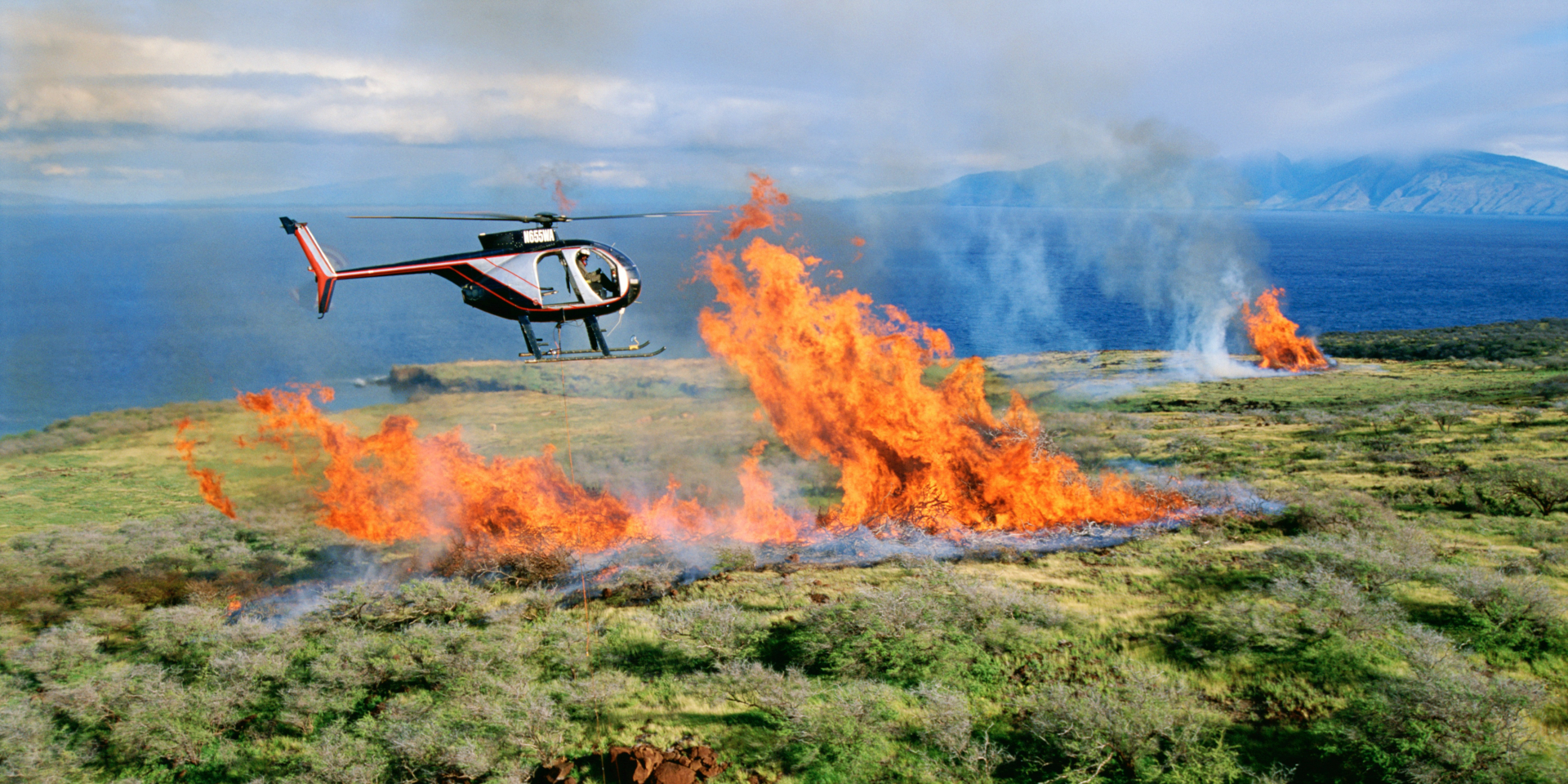
For HSEQ professionals, few tools are as powerful - or as underutilised - as the environmental risk assessment.
In a world where regulatory expectations tighten, supply chains become more complex and sustainability commitments face increasing scrutiny, organisations must not only claim environmental responsibility but demonstrate it. Environmental risk assessments provide exactly that: a structured, evidence-based method for identifying risks, prioritising prevention and strengthening resilience.
Put simply, environmental risk assessments help organisations understand where their biggest vulnerabilities lie - and how to act before issues escalate into incidents, penalties or reputational damage.
Why Environmental Risk Assessment Matters?
Environmental risks rarely emerge without warning. They usually start as small inefficiencies, unnoticed leaks or gaps in documentation that gradually become systemic weaknesses. A disciplined risk assessment process prevents those vulnerabilities from slipping through unnoticed.
Strong environmental risk assessments help organisations:
- Stay compliant with ISO 14001 and regulatory expectations
- Reduce environmental impact, from emissions to waste management
- Minimise operational disruptions by spotting issues early
- Improve emergency preparedness and response
- Strengthen sustainability performance with a data-driven approach
- Build stakeholder trust, demonstrating responsible and transparent operations
For leaders overseeing safety, quality and environmental performance, risk assessments are essential to proactive, not reactive, management.
Common Environmental Risks Organisations Face
Environmental risks vary by industry, but certain patterns appear everywhere - from manufacturing and logistics to healthcare and energy.
Chemical and Hazardous Substance Mismanagement
Examples include improper storage, outdated safety data sheets or gaps in spill response readiness.
Waste Handling and Disposal Issues
Mislabelled waste, inadequate segregation or noncompliant disposal practices create both environmental and legal exposure.
Air, Water and Soil Contamination Risks
Leaks, emissions, runoff or accidental discharge can have long-lasting effects on ecosystems and surrounding communities.
Resource Inefficiency
Excessive water use, energy waste or material inefficiencies drive costs and increase environmental footprint.
Emergency Response Gaps
Poorly trained staff or missing equipment can turn a minor hazard into a major incident.
Documentation and Reporting Noncompliance
Incomplete permits, missing logs or incorrect data are among the most frequent audit findings.
Environmental risk assessments make these issues visible - and manageable.
{{cta-04}}
How to Conduct an Effective Environmental Risk Assessment?
A robust assessment blends structured methodology with on-the-ground insight. It must be systematic, transparent and rooted in accurate data.
Define Scope and Objectives
Clarify what you are assessing: emissions, chemical handling, waste streams, environmental management systems or site-specific operations.
Identify Hazards and Potential Impacts
Look for risks across processes, people, infrastructure and environmental pathways. Examples include chemical leaks, noise pollution or habitat disruption.
Evaluate Likelihood and Severity
Use a standard risk matrix to score:
- Likelihood: How probable is the event?
- Severity: What is the potential impact on people, planet and operations?
This helps prioritise where to focus resources.
Assess Existing Controls
Determine how effective current measures are - procedures, equipment, monitoring systems and training.
Define Additional Controls or Improvements
These may include engineering solutions, process redesign, better signage, digital monitoring tools or enhanced emergency protocols.
Document Findings and Assign Ownership
Clear responsibilities ensure nothing falls through the cracks.
Monitor, Review and Update Regularly
Environmental risks evolve. Assessments should be living documents, not one-off exercises.
Digital Tools That Transform Environmental Risk Assessment
Manual documentation - spreadsheets, paper forms and email threads - slows down environmental oversight and introduces unnecessary risk. Modern HSEQ leaders increasingly rely on digital platforms to streamline assessments and strengthen continuous improvement.
Digital platforms supports organisations by enabling them to:
- Conduct risk assessments on mobile devices
- Standardise templates across sites
- Capture photos, notes and evidence in real time
- Track corrective actions and responsibilities
- Monitor trends through dashboards and analytics
- Integrate assessments with audits, inspections and incident reporting
Digitalisation not only saves time - it enhances traceability, accuracy and decision-making.
{{cta-03}}
Embedding Risk Assessments into Sustainability Strategy
Environmental risk assessment isn’t just about compliance. It is a powerful lever for advancing sustainability and operational excellence.
Organisations can elevate impact by:
- Integrating risk assessments into environmental KPIs
- Linking findings to sustainability goals (e.g., waste reduction, carbon goals)
- Using assessments to justify investment in greener technologies
- Ensuring leadership reviews outcomes regularly
- Involving employees to build environmental awareness across teams
This shifts risk assessment from a compliance task to a strategic driver of environmental performance.
Conclusion - A Safer Business and a Healthier Planet Start with Insight
Environmental risk assessments provide organisations with something invaluable: clarity. Clarity about where risks exist, how they can be controlled and where the biggest sustainability gains can be made. For HSEQ professionals, they serve as both a safety net and a strategic compass.
If your organisation is ready to protect people, operations and the environment more effectively, consider modernising your approach with digital tools designed to support continuous improvement. The sooner risks are understood, the sooner they can be reduced - and the more resilient your organisation becomes. Test our Falcony | HSEQ FREE for 30 days or Contact us for more information:
{{cta-01}}
We are building the world's first operational involvement platform. Our mission is to make the process of finding, sharing, fixing, and learning from issues and observations as easy as thinking about them and as rewarding as being remembered for them.
By doing this, we are making work more meaningful for all parties involved.
More information at falcony.io.
test cta injection
Button Text
Master Retail Security
Download guideUnlock Whistleblowing Excellence
Contact usSupercharge your tenant experience and involvement!
Download guideImprove your facility audit processes with best practices
Download guideUnlock Whistleblowing Excellence
Download guideSet up your incident reporting process like a boss!
Download guideElevate incident reporting
Download guideLearn more about Safety KPIs and their impact.
Learn moreLet us help you become ESG compliant
Get startedGet started today
Get startedImprove security management
Advance your organisation’s security maturity with an easy-to-use digital SEMS platform built for safer, smarter and more resilient operations.



